A Historic Farewell: The Leader Who Stood Firm to the Last Breath
07 July 2026 WANA News
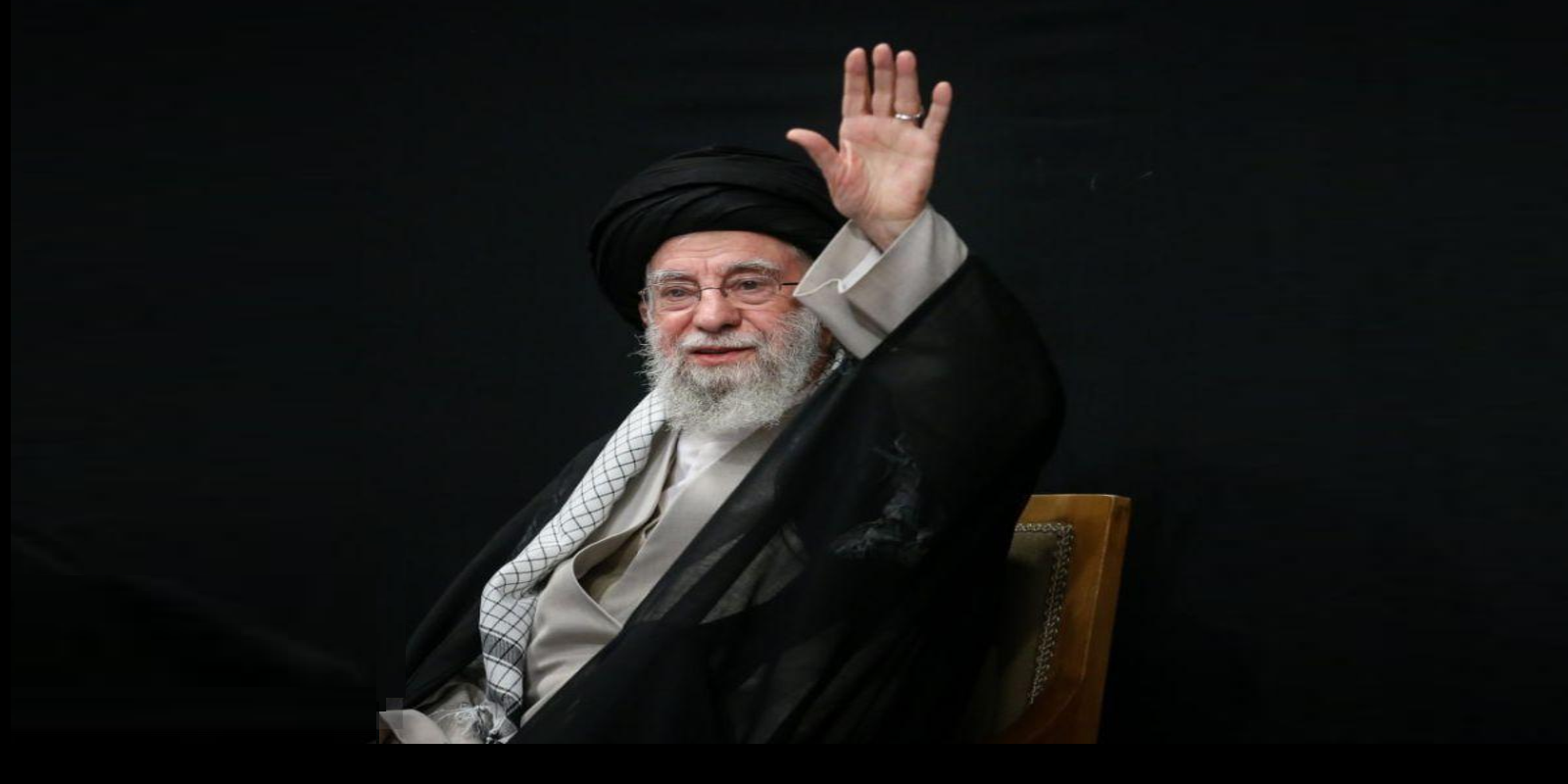
WANA (Jul 07) – The city that for decades served as the home and sanctuary for Ayatollah Seyed Ali Khamenei, bid its final farewell to its leader. It was a poignant departure that marked the beginning of his eternal journey toward the holy city of Mashhad, a path winding through the grief-stricken hearts of various cities along the way.
Yet, this parting was far from easy for a people who, for generation after generation, drew reassurance and strength from the presence of the leader of Iran and the Shia community in their capital. Throughout the final funeral procession in Tehran, deep sorrow and roaring cries intertwined.
The streets overflowed with a wave of profound, unified emotions; from silent tears and whispered final words to the departed leader, to the thunderous echoes of slogans like “Heihat mina dhi-llah” (Never to humiliation) and “Allahu Akbar” (God is Great), alongside fervent demands for retribution against the perpetrators of this assassination, namely Donald Trump and Benjamin Netanyahu.
Amidst the massive crowds, red flags—the traditional Shia symbol of martyrdom and the pursuit of justice—fluttered alongside the Iranian flag, while portraits of both the late leader and the new leadership visually bridged the past with the future.
The sheer scale of this event resonated far beyond Iran’s borders. U.S. President Donald Trump, speaking to the media outlet Axios, explicitly expressed his surprise at the immense magnitude of the funeral procession.
Concurrently, CNN broadcast images of Tehran’s tightly packed streets, reporting that this multi-million-strong turnout was far more than a simple mourning ceremony; it stood as a powerful manifestation of social solidarity, national unity, and the resilience of a nation rising stronger from the ashes of crisis and war.
International analysts could not overlook this reality. Robert Fantina, an American-Canadian author and analyst, labeled the assassination a strategic blunder that brought international embarrassment to the West, emphasizing that Washington had severely underestimated the devotion, sacrifice, and endurance of the Iranian public toward their country.
Similarly, Ayad al-Rifai, an analyst for Al Jazeera, noted that history proves Iranians harbor a deep-seated rejection of foreign intervention and that this “martyrdom” has only served to unite them more than ever.
Historical Standing Among the World’s Largest Funerals
Official estimates indicate that the funeral procession of Ayatollah Khamenei, drawing a crowd of 15 to 20 million people, sets an unprecedented record not only in the history of Iran but globally. A comparative analysis with historical data of the ten largest funerals in modern history highlights the monumental scale of this public turnout:
A Historic Summit: With an estimated peak of 20 million attendees, this ceremony ranks as the largest funeral procession in recorded history, surpassing even the historic funeral of C. N. Annadurai in India (15 million people).
Comparison with Iran’s Past Milestones: This dense gathering redefines the benchmarks of modern Iranian history. The volume of the crowd is estimated to be twice the size of the funeral of Imam Khomeini (10 million people) and nearly three times that of General Qasem Soleimani (7 million people).
Contrast with Global Figures: This public farewell stands at a significant distance from other massive global gatherings, including the funerals of Gamal Abdel Nasser in Egypt (5 million), Pope John Paul II (4 million), and Indira Gandhi in India (3.5 million). These figures underscore the event as a historic turning point in the phenomenon of social cohesion.
Late Iranian Leader’s Body Arrives in Qom Ahead of Tuesday Funeral Procession
WANA (Jul 06) – The body of Iran’s late leader arrived in the holy city of Qom on Monday evening after farewell and funeral ceremonies held on July 4, 5 and 6 in Tehran. According to the announced schedule, funeral prayers will be held over the body at Jamkaran Mosque at around 6:00 a.m. […]
Following the events in Tehran, the late leader’s body was transferred to the holy city of Qom on Monday evening.
After farewell prayers at the Jamkaran Mosque and a procession toward the Shrine of Hazrat Masoumeh on Tuesday, the journey is scheduled to connect with the holy cities of Najaf and Karbala in Iraq, before finally arriving at his resting place at the Shrine of Imam Reza in Mashhad.
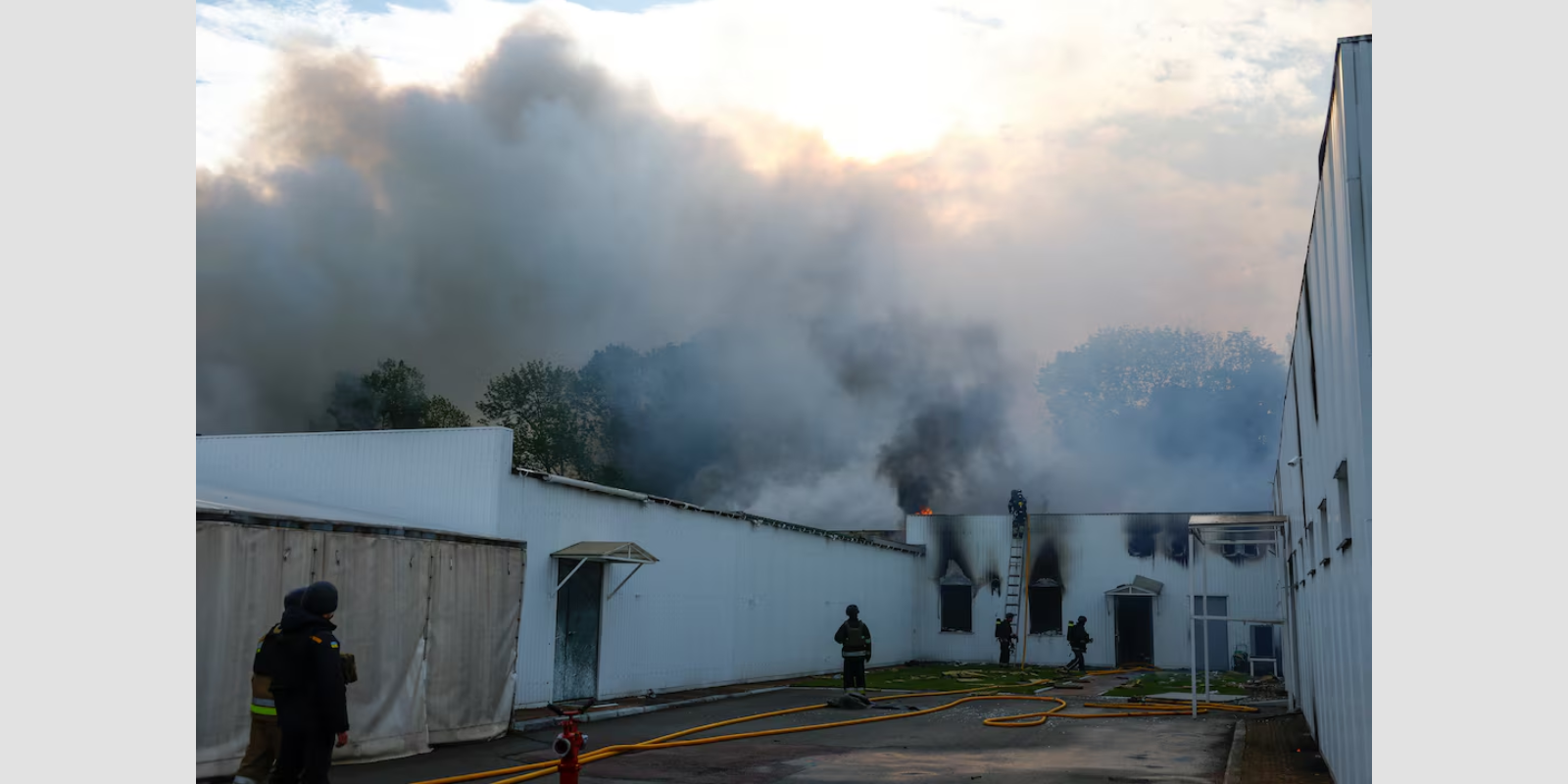
Beyond the grandeur of the funeral itself, the circumstances of his passing put a definitive end to years of speculation by opposition media. Those who long claimed that the Iranian leader lived in highly fortified, luxury bunkers witnessed instead that he and his family stood at the very forefront of casualties, losing their lives amidst the rubble following the bombardment of his office on February 28, 2026.
In the center of this narrative lies the symbol of the “clenched fist,” a motif heavily featured in recent days and now immortalized in a sculpture erected at Tehran’s Enqelab Square. The core concept of this monument stems from the account shared by Seyed Mojtaba Khamenei, the new leader, who stated that when the late leader’s body was recovered from the debris, his hand was found tightly clenched.
This closed fist stands as a testament that the leader remained committed to his principles and slogans until his final breath—an enduring symbol of resistance, steadfastness, and awakening whose departure has breathed new life into the spirit of freedom seekers worldwide.