What Levers Does Iran Hold Against U.S. Breach of Commitments?
09 July 2026-WANA News
WANA (Jul 09) – Recent developments in West Asia and the escalating military confrontation between Tehran and Washington have once again underscored the volatility of written agreements with the United States.
Following the blatant violation of the memorandum of understanding (MOU) and repeated military adventures by Washington, a key question arises: what leverage does the Islamic Republic of Iran possess to compel Trump to honor his commitments, or at least maximize the cost of this breach for the West?
An analysis of the operational, political, and strategic dimensions reveals that, contrary to White House calculations, Iran’s hands are far from tied. Tehran commands powerful deterrent levers across multiple levels.
1. Returning to the “Factory Settings” and a Proportional Operational Response
The most immediate lever at Iran’s disposal is stepping away from the self-imposed restrictions it had accepted under the MOU—a move experts describe as returning to “factory settings.” Under this framework, Iran no longer considers itself bound by any limitations and will deliver a proportional, reciprocal response to any aggression.
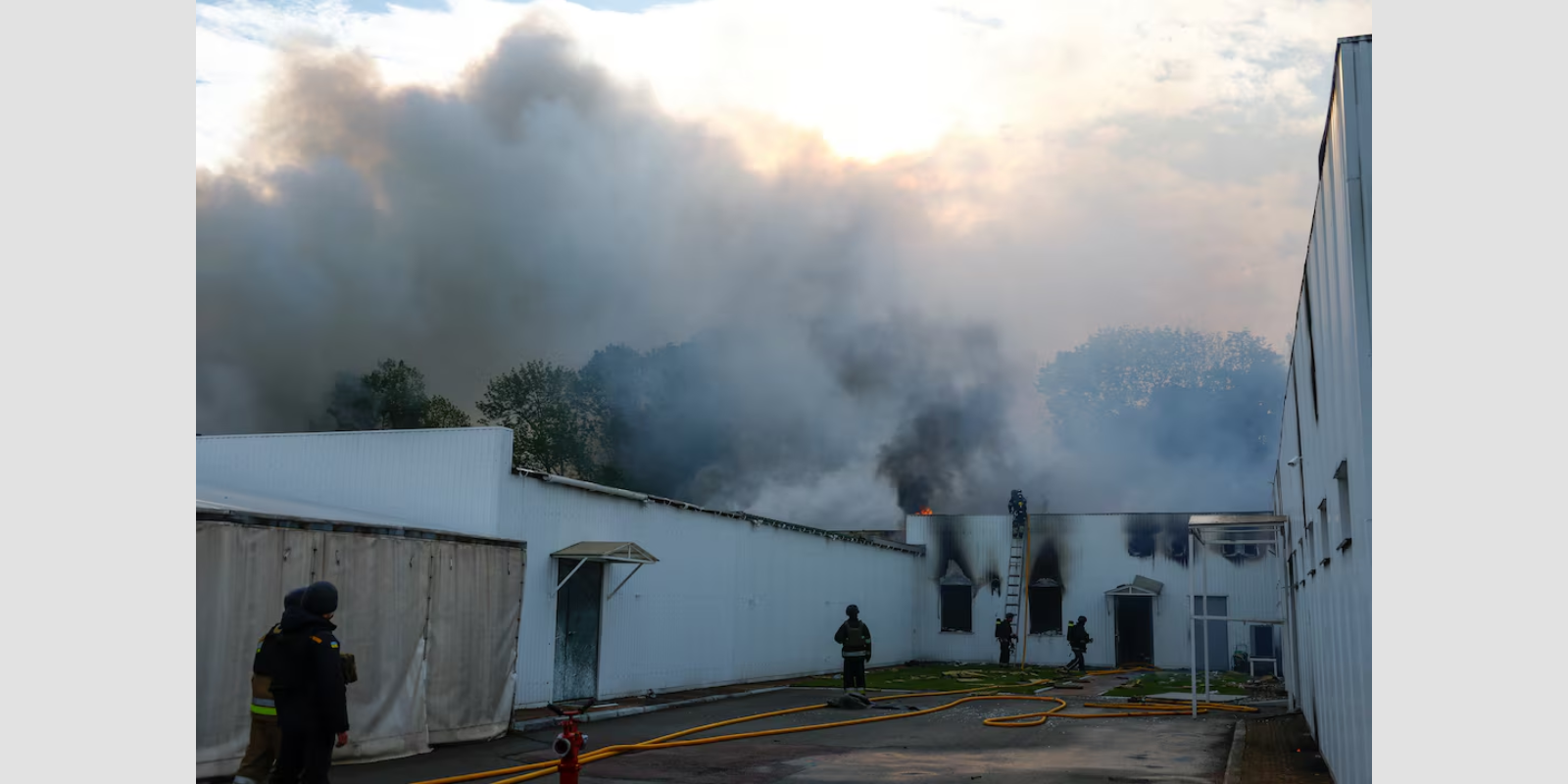
The concrete manifestation of this readiness was demonstrated during the recent clashes. While the U.S. military—claiming ceasefire violations and citing maritime security—targeted roughly 30 sites on Iran’s southern coasts and islands, it was met with a crushing, comprehensive missile and drone retaliatory operation by the IRGC.
In this counter-operation, 85 critical U.S. military facilities were hit, an advanced MQ-9 Reaper drone was shot down, and for the first time, the U.S. fleet off the coast of Oman was directly targeted.
This numerical and qualitative shift proved that any future aggression will be met with far greater intensity.
2. Managing and Blocking Vital Energy Chokepoints (Hormuz and Bab-el-Mandeb)
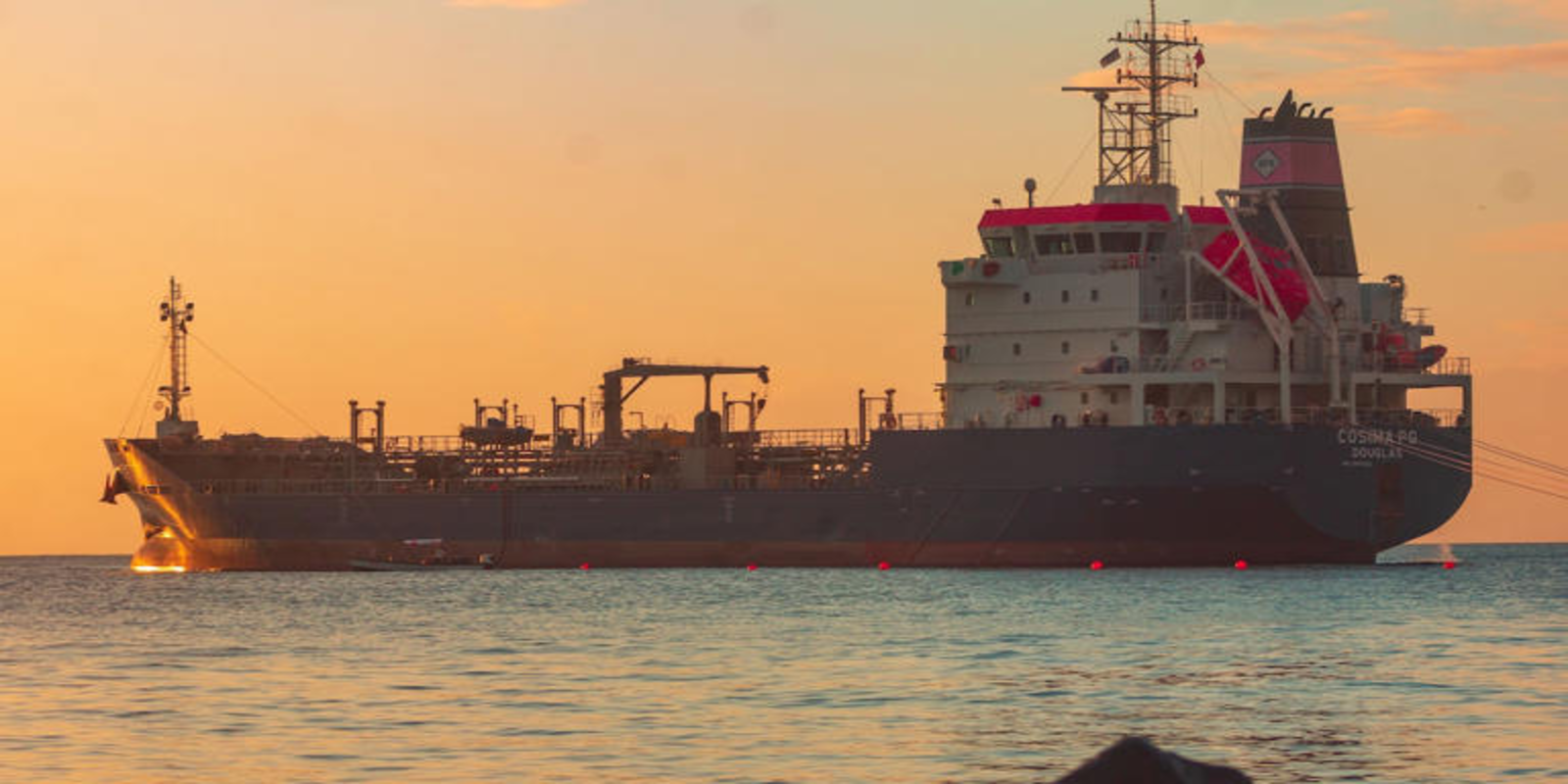
A primary driver behind Trump’s frustration is his inability to impose Washington’s preferred security arrangements on the Strait of Hormuz—specifically the northern transit route—following the signing of the MOU.
Trump assumed he could fundamentally alter the management of this vital chokepoint to U.S. advantage and reassure commercial vessels on the Omani route. However, Iran’s unyielding insistence on its sovereign rights completely disrupted his plans.
In addition to Iran’s absolute oversight of the strategic Strait of Hormuz, its regional capacities and the Axis of Resistance network remain highly active.
Yemeni armed forces have previously declared that they possess the capability to manage and, if necessary, completely seal off the international Bab-el-Mandeb Strait.
Such a geopolitical move could exert crushing, exponential pressure on Western economies and global energy supplies.
3. Legal Levers and Altering the Military Doctrine (Parliament and NPT Withdrawal)
At the grand strategic level, Iran’s options extend far beyond localized retaliation. According to the spokesperson for the Iranian Parliament’s National Security and Foreign Policy Commission, Tehran possesses surprise options for future confrontations that have not been unveiled even in past conflicts.
A plan to withdraw from the Non-Proliferation Treaty (NPT) is already prepared for review in parliament. If Washington’s breach of commitments and aggression escalate into an existential threat, a “change in Iran’s nuclear doctrine” will be put on the agenda—an option that would fundamentally reshape the global balance of power.
Tehran’s Response to Rhetoric and the Fresh Wave of CENTCOM Strikes
On the sidelines of the NATO summit in Ankara, Donald Trump declared the memorandum with Tehran “finished,” reiterated his hostile stance, and threatened to seize Khark Island and reimpose a naval blockade, hinting at fresh strikes. U.S. Secretary of Defense Pete Hegseth echoed these threats, warning of deeper and harder strikes.
These threats and the fresh wave of escalation immediately triggered a sharp, unified response from political and military officials in Tehran:
Foreign Minister Abbas Araghchi, reacting directly to Trump’s remarks, he asserted that using derogatory language against the civilized and courageous nation of Iran does not diminish its greatness. Araghchi noted that Iranians do not answer vulgarity with vulgarity, but will instead respond to Washington in the field of action: fearlessly, with great valor, and utmost strength.
A member of the Expediency Discernment Council, Mohsen Rezaee, issued a stern warning to the White House and its regional allies, he wrote that the aggressive enemy and its henchmen will be severely punished.
The Khatam al-Anbiya Central Headquarters: The military command had also previously issued a fierce statement warning that Iran’s armed forces will deliver a decisive, regrettable response to these provocations, emphasizing that Tehran will never tolerate foreign interference in the strategic management of the Strait of Hormuz.
However, Washington’s rhetoric quickly manifested into physical aggression. Early this morning, following Trump’s chain of threats, the U.S. Central Command (CENTCOM) officially announced that under the direct orders of the President, it had launched a new wave of airstrikes against targets in southern Iran.
Coinciding with this statement, local sources and official news agencies inside Iran reported hearing consecutive, heavy explosions and the activation of air defense systems across strategic southern coastal regions, including Bandar Abbas, Chabahar, Konarak, Qeshm, and Sirik. The strikes indicated that the White House has chosen a path of total military confrontation.
Nevertheless, the balance of power established on the battlefield and the array of options on Iran’s table—ranging from blocking strategic straits to a potential shift in its nuclear doctrine—demonstrate that Trump’s repeated strikes and breach of commitments will not yield Washington’s desired goals.
Instead, they are driving the region toward an all-out confrontation where the United States will be the ultimate loser.