U.S. intensifies strikes on Iran’s coast along Strait of Hormuz
After President Donald Trump declared the collapse of a preliminary peace agreement on Wednesday, the U.S. and Iran traded renewed airstrikes.
July 9, 2026 -Washington Post
By Rachel Chason and Suzan Haidamous
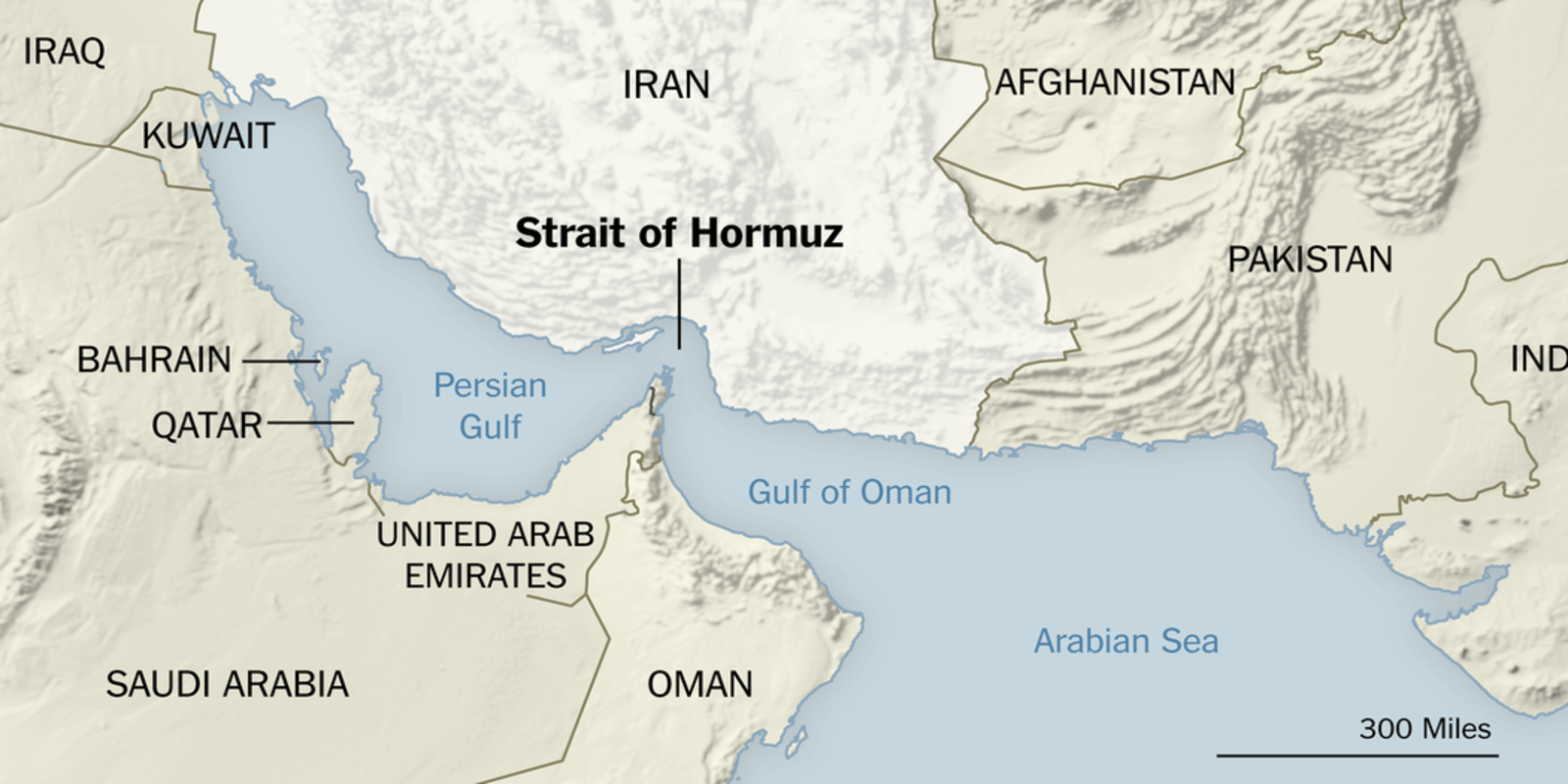
U.S. forces hit 90 targets overnight, mostly along Iran’s coastline with the Strait of Hormuz, stepping up renewed strikes after President Donald Trump said he thought a tentative truce was “over.” Iran, in turn, launched a barrage of drones and missiles at Jordan and countries in the Persian Gulf.
The intensifying tit-for-tat strikes, now in their second day, came after huge crowds in Tehran vowed revenge against the United States during elaborate funeral rites this week for their assassinated supreme leader, Ayatollah Ali Khamenei, and after Trump called Iran’s leaders “scum.”
Analysts said the conflict could be escalating into a destructive new phase.
“The danger is more significant than people recognize,” said William F. Wechsler, the senior director of the Rafik Hariri Center and Middle East Programs at the Atlantic Council, a Washington think tank.
“Going back to war doesn’t mean that there will be the same limitations as before. There is a real risk of escalation,” he said, pointing to Trump’s warnings in recent days that the U.S. could hit Iranian energy infrastructure and desalination plants.
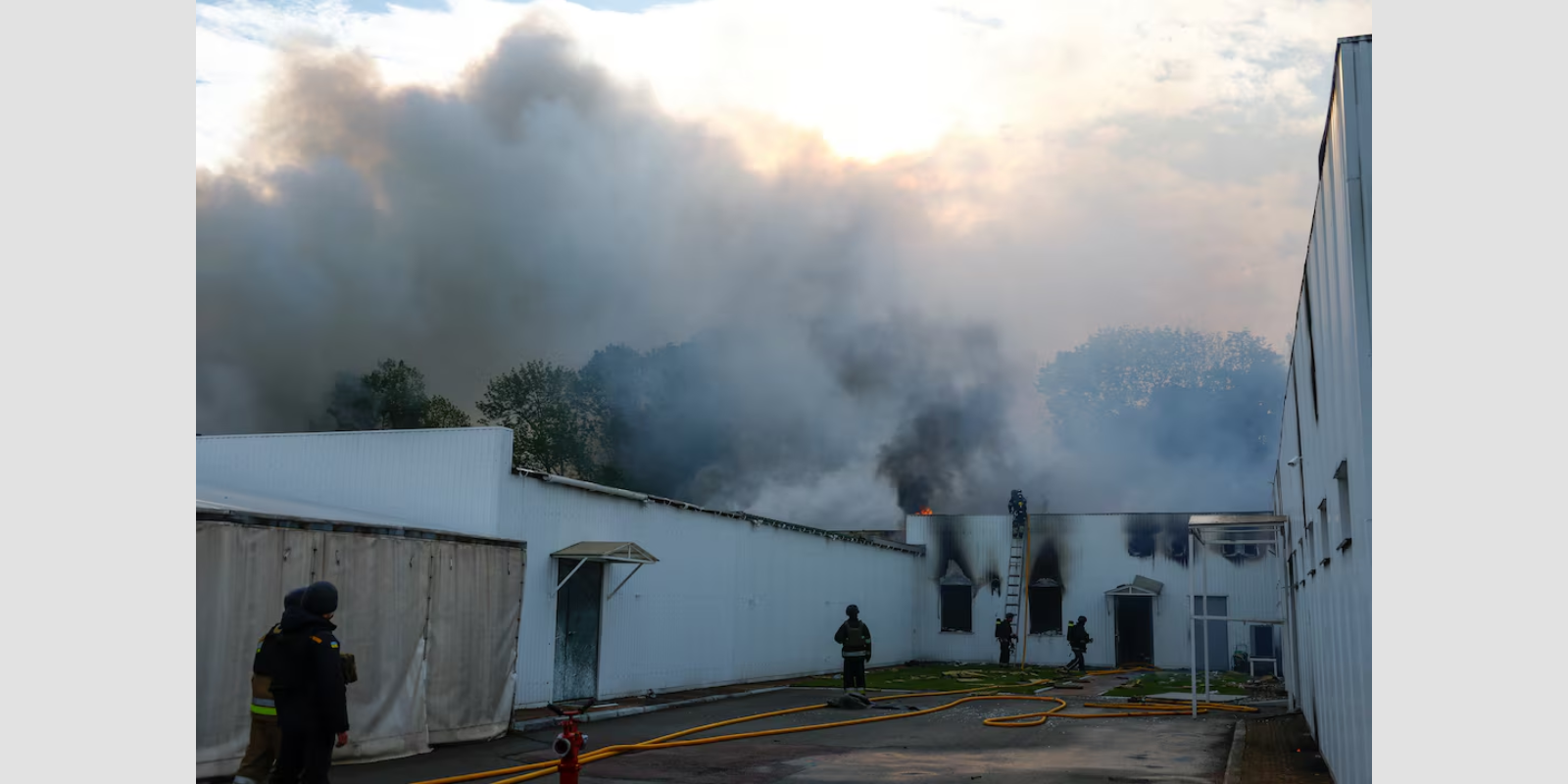
Over the past two days, the U.S. struck port cities in Iran’s south and a railway in Iran’s north, killing at least 14 people and wounding 78 others, according to the country’s Health Ministry.
Iran said it fired at U.S. targets in Bahrain, Kuwait and Qatar, in addition to the Muwaffaq Salti Air Base, a military facility used by U.S. forces in Jordan — which had been largely spared Iranian attacks since the beginning of the war in February.
The main sticking point for both sides, Wechsler said, is control of the Strait of Hormuz. While Iran interprets its initial agreement with the U.S. — which was met with relief and cautious optimism when the sides agreed to it last month — as giving it control of the vital waterway, the U.S. believes the opposite.
“They are trying to win on the battlefield what they couldn’t win at the negotiating table,” Wechsler said.
The initial framework to end the war was followed by the start of negotiations aimed at forging a more durable peace accord within 60 days. But less than half that time had elapsed when Trump on Wednesday said he believed the ceasefire had collapsed, following Iranian attacks on ships passing through the strait.
Dania Thafer, executive director of Gulf International Forum, a Washington think tank, said that the most significant development in recent days was the U.S. Treasury on Tuesday revoking its authorization of Iranian oil sales. Under the terms of the initial agreement, the U.S. Treasury had waived sanctions on Iranian oil through Aug. 21, allowing the Iranian government access to a key source of revenue.
“Revoking that authorization is a huge deal,” said Thafer, who is based in Washington and Qatar.
Iran thinks that the U.S. is trying to undermine its leverage, she said, first by helping to broker a deal directly between Israel and Lebanon, which curbed Iranian influence, and then by encouraging ships transiting the Strait of Hormuz to take a route along the coast of Oman, rather than registering with Iranian officials.
“This could very well escalate to a full-scale war,” she said. “Or they could de-escalate and resume talks, but the Iranians are almost at the point where they think negotiation is pointless.”
The U.S. strikes in recent days — the first round of which hit 80 targets, according to the U.S. military, and the new barrage of 90 overnight — were intended “to further degrade Iran’s ability to attack commercial shipping and innocent civilian mariners in the Strait of Hormuz,” U.S. Central Command said in a statement early Thursday.
Targets included air defense systems, coastal surveillance assets, missile and drone storage sites, naval capabilities, and military logistics infrastructure.
Iran retaliated by firing missiles and drones at U.S. military sites in partner countries in the Persian Gulf region, including Kuwait, Bahrain and Qatar.
Sirens also sounded in Jordan on Thursday, and the country’s military said eight missiles had been intercepted. A government spokesman said in a statement carried by state media that the kingdom’s airspace had been breached by missiles launched by Iran.
In Kuwait, the Defense Ministry said that it had intercepted a cruise missile and 10 drones. Bahrain’s military said that it had “destroyed several treacherous Iranian aerial attacks,” according to a statement Thursday, and it condemned Iran’s “systematic hostile approach through missile and drone attacks targeting civilians in the Kingdom of Bahrain.”
Iran’s Islamic Revolutionary Guard Corps, in a statement carried by Iran’s semiofficial Mehr News, said the attacks were a “first stage” and warned of further strikes on American targets in the region if the U.S. air campaign continues.
“The Armed Forces of the Islamic Republic of Iran … will not allow the goals and aspirations of the foolish U.S. president to be realized with authority and under any circumstances, and will defend the lofty ideals of the Islamic Revolution until the final victory,” the statement read.