Why Is the IAEA Seeking Iran’s Strategic Information Amid War?
08 September 2026 WANA News
WANA (Sep 08) – Recent remarks by Rafael Grossi, Director General of the International Atomic Energy Agency (IAEA), about the agency’s inability to fully carry out its safeguards responsibilities in Iran due to limited access and a lack of information may appear, on the surface, to be a technical matter. However, given the current circumstances, they cannot be viewed solely through the lens of technical disagreements between Tehran and the IAEA.
Grossi has said that the IAEA has been unable to fully carry out its safeguards responsibilities because it lacks sufficient access and information. But one fundamental question remains unanswered: What caused the loss of access in the first place?
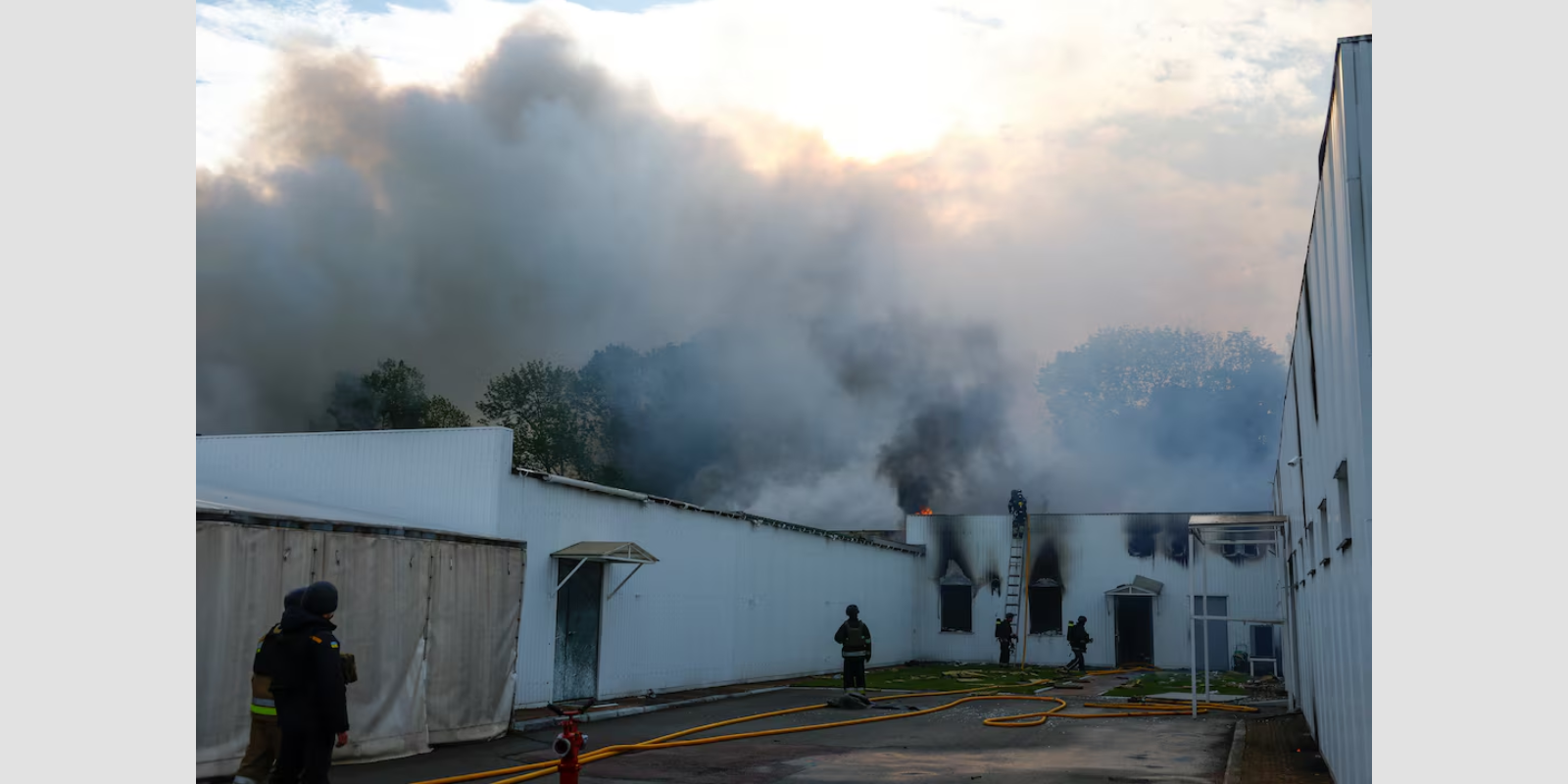
Iranian nuclear facilities have been targeted in military strikes by the United States and Israel. The IAEA has also acknowledged the safety and security consequences of those attacks, noting that the damage has affected its ability to access some facilities. Therefore, if the agency is currently unable to fully carry out its safeguards duties, the first question should be what caused this situation, rather than focusing solely on its consequences.
The way the issue is framed by the IAEA director general is therefore significant. When the agency says it has been unable to fulfill its safeguards responsibilities, but does not explicitly recall that this situation resulted from military attacks on safeguarded nuclear facilities, there is a risk that the narrative could suggest that Iran’s conduct is the main source of the problem. Yet the current situation began with military strikes against Iran’s nuclear facilities.
Grossi Calls for Iran’s Immediate Cooperation With IAEA
The protection of nuclear facilities from military attacks is also far more than a bilateral issue between Iran and the IAEA. For decades, the international community has emphasized the need to protect nuclear facilities from military action and the risks such attacks can create. Strikes against such facilities can have consequences extending beyond the borders of the targeted country, potentially endangering human life and the environment.
Following the attacks on Iran’s nuclear facilities, the IAEA has warned about the risks associated with such actions. However, there is an important distinction between expressing concern over the consequences of an attack and explicitly condemning the attack and identifying those responsible for it.
When safeguarded facilities have been attacked, it would be reasonable to expect an institution responsible for implementing safeguards and supporting the global non-proliferation regime to place the attack and its consequences at the center of its attention. Instead, much of the pressure and demands following the attacks have been directed toward the country whose facilities were targeted.
This issue cannot be reduced merely to the wording or structure of an official report. The neutrality of an international institution is not reflected only in the final conclusions of its reports. The way it defines a problem, identifies its causes and determines responsibility are also part of demonstrating neutrality.
If a military attack is the primary reason inspections have become impossible, downplaying that factor in the official narrative can create the impression that responsibility for the current situation lies more with the country facing the consequences than with the party that created the crisis.
The issue is particularly significant in the case of Iran because the crisis of trust between Tehran and the IAEA is not new. Iran has cooperated with the agency at various points over the years, and the IAEA itself has repeatedly referred to Iranian cooperation and access. Tehran, however, maintains that some of the agency’s positions and reports have, in practice, contributed to increasing political pressure on Iran and have fallen short of what would be expected from a fully technical and impartial institution.
From this perspective, simply repeating terms such as “technical” and “safeguards” is not enough to restore Iran’s confidence. Impartiality must be demonstrated through actions and through the way an institution responds to a crisis.
The situation has now become even more complicated because of the region’s security environment. Iran is engaged in direct confrontation with the United States and Israel, and its nuclear facilities have been targeted during the same conflict. Under such circumstances, information concerning the extent of damage, the status of nuclear materials, remaining capabilities, vulnerable points and the possibility of rebuilding damaged facilities can no longer be regarded as purely technical information. Some of these details may have direct security and strategic value.
For this reason, it cannot reasonably be expected that Iran, in the midst of a military conflict and without taking its national security concerns into account, would provide its most sensitive information about nuclear facilities to an institution that, from Tehran’s perspective, has failed to fully establish its credibility and impartiality over the years.
This does not mean denying Iran’s membership in the Treaty on the Non-Proliferation of Nuclear Weapons (NPT) or rejecting its safeguards obligations. Iran continues to have rights and obligations under international treaties. However, those rights and obligations operate within a reciprocal legal framework, and a country’s exceptional security circumstances during wartime cannot simply be ignored.
When a country is engaged in a war with two major regional and extra-regional actors, it cannot be expected, without consideration of its security concerns, to provide information that could have military or strategic value for the parties involved—particularly when trust between that country and the monitoring institution has already been damaged.
At the same time, circumstances created by a military attack should not be presented in a way that makes Iran’s lack of cooperation appear to be the central issue. If the IAEA genuinely seeks a return to diplomacy and cooperation, that process should also begin with the way it portrays the crisis. The factor that disrupted inspections should receive the same level of attention as the disruption itself.
From this perspective, the current dispute between Iran and the IAEA is not simply about whether inspectors should have access to Iranian nuclear facilities. The more fundamental questions are: In wartime, what guarantees exist to protect Iran’s sensitive information, and who should bear responsibility for the attack that disrupted the implementation of safeguards?
Until these questions receive clear answers, insisting on the same monitoring mechanisms used during peacetime, without taking into account the security conditions created by the attacks, is unlikely to automatically build trust. It could instead deepen the existing gap between Tehran and the IAEA.
Safeguards cooperation can be sustained when at least a minimum level of mutual trust exists. Therefore, the current dispute between Iran and the IAEA cannot be reduced to the issue of “access” alone. The central question is whether the IAEA, at this critical moment, has demonstrated its independence and impartiality not only in its official language, but also in the way it has addressed the crisis and assigned responsibility.
WANA News Agency