US Strike on Wedding in Sirik Kills 5, Injures More Than 50
02 September 2026 WANA News
WANA (Sep 02) – The U.S. airstrike on a residential home in Koohestak, Sirik County, where a wedding ceremony was underway, has once again put civilian casualties at the center of scrutiny over Washington’s military operations against Iran.
According to local officials and the Iranian Red Crescent, the strike left at least five people dead and dozens injured.
The incident occurred on Tuesday evening, September 1, in Koohestak, in Sirik County in eastern Hormozgan Province. Ahmad Nafisi, deputy governor of Hormozgan for political, security and social affairs, said in initial reports that a residential home hosting a wedding ceremony had been struck, with two people initially reported killed and several others injured.

US Strike on Wedding in Sirik Kills 5, Injures More Than 50 /WANA News Agency
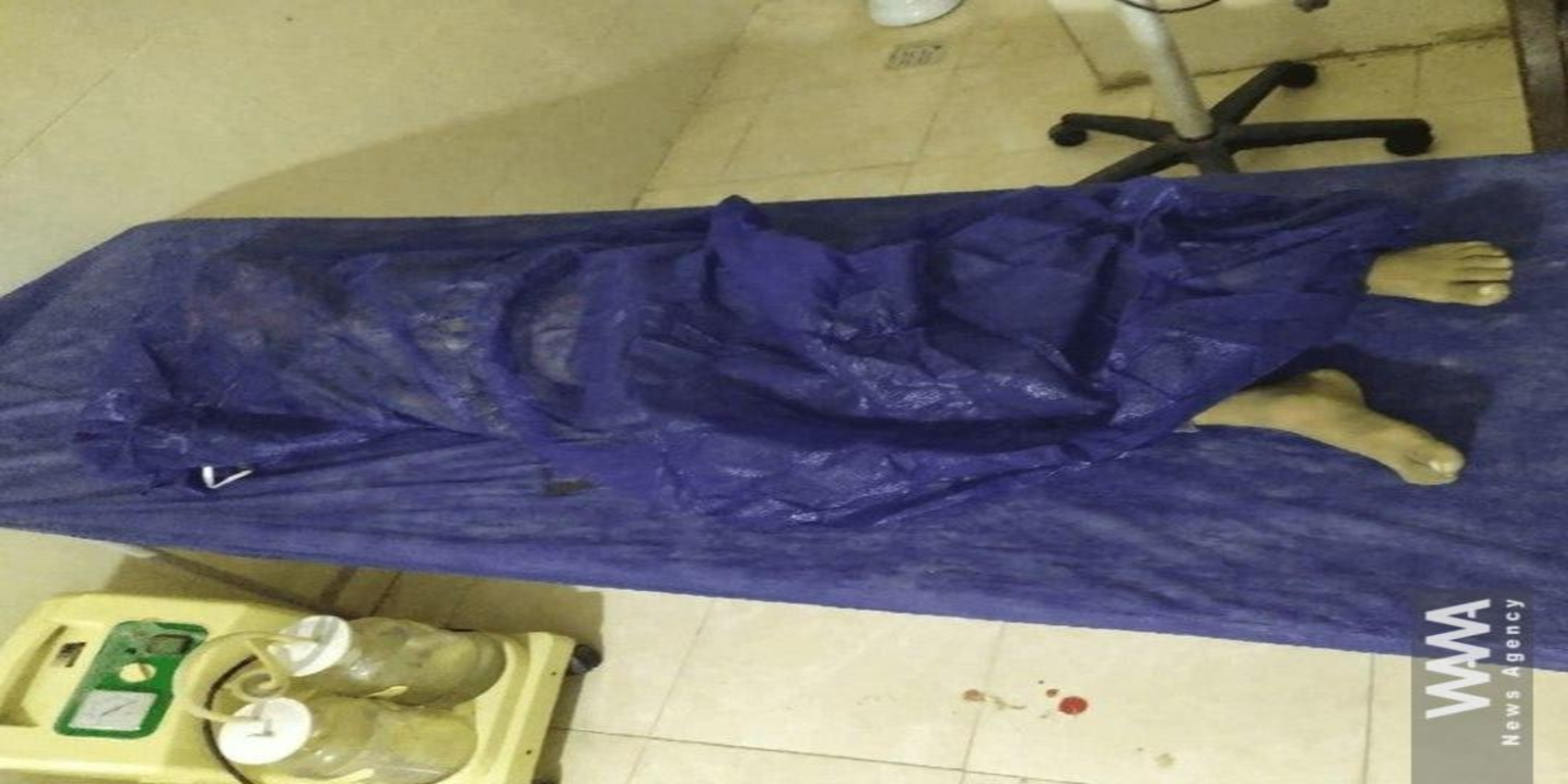
As rescue operations continued, the reported toll rose. The Iranian Red Crescent said shrapnel from the missile strike hit the building where the ceremony was being held, killing four people, including a child, and injuring more than 50 others.
Subsequent reports from local officials put the number of injured at between 63 and 68, while some media reports said the death toll had risen to five.
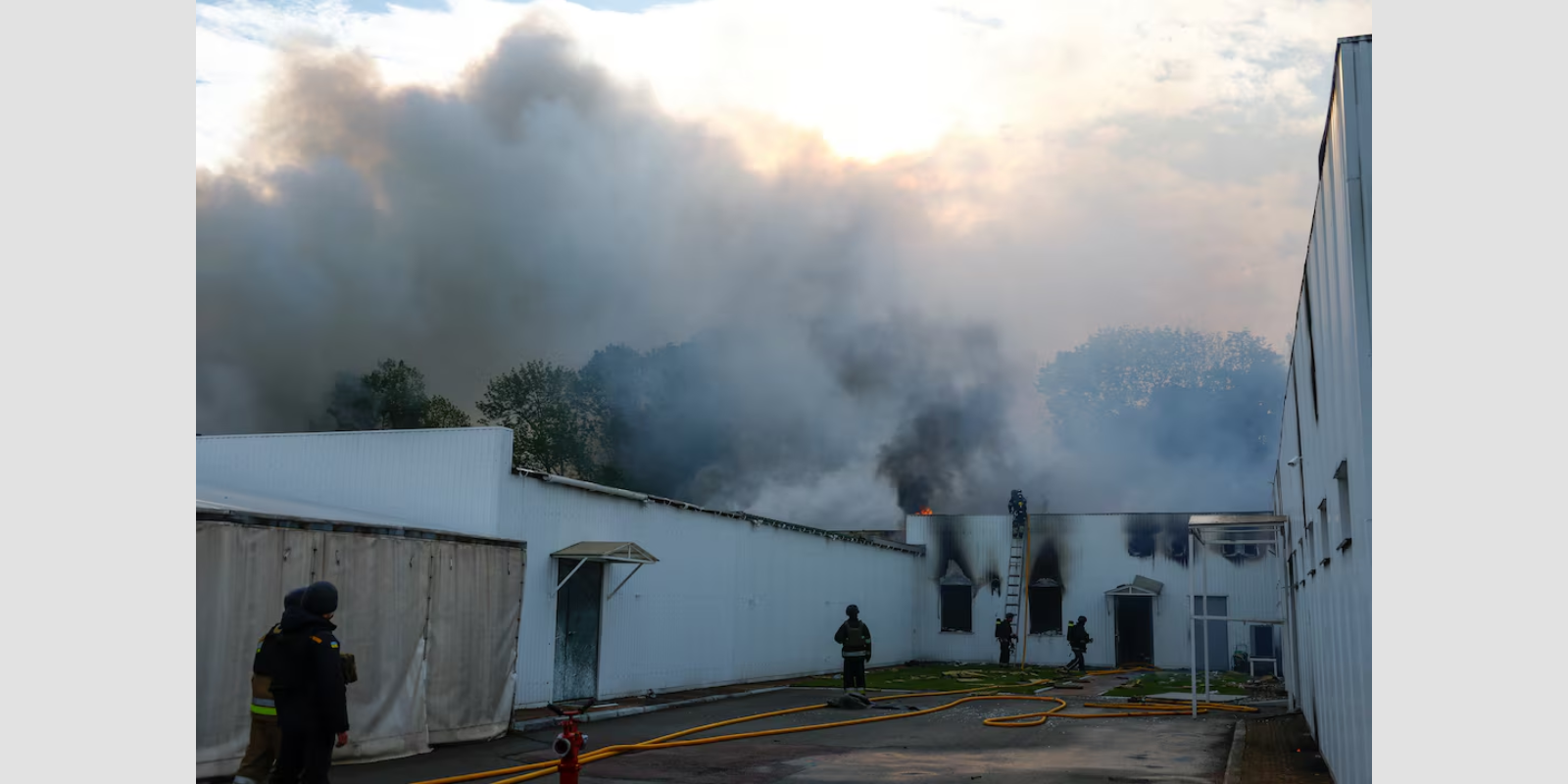
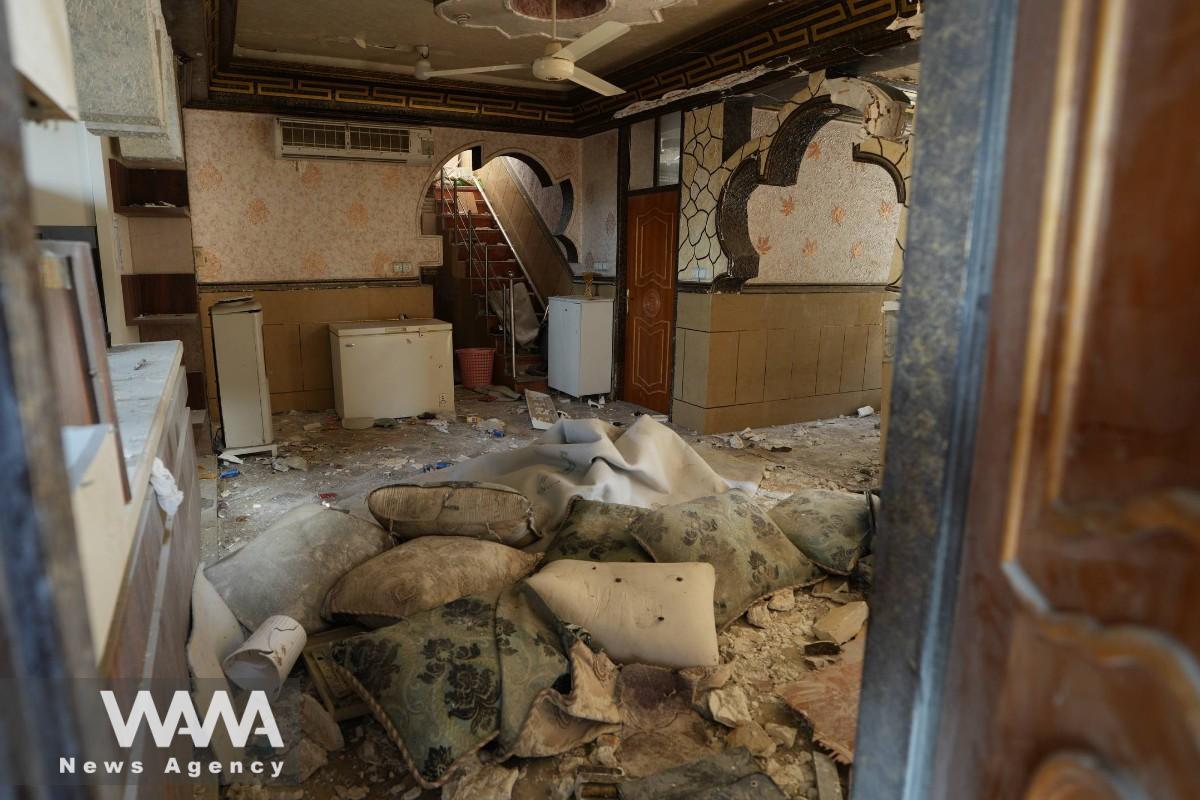
Images released from the scene showed a damaged building and scattered debris. In a visual report, Reuters said videos from the site showed a damaged residential building and an injured person in hospital, while noting that the intended U.S. target at the location was not clear.
That point is particularly significant. U.S. Central Command (CENTCOM) said in an official statement that its September 1 strikes targeted assets associated with Iran’s Islamic Revolutionary Guard Corps, including air-defense systems, radars, naval equipment, mine-laying capabilities and communications facilities. CENTCOM described the operation as a response to recent Iranian attacks on commercial shipping in the Strait of Hormuz and on U.S. forces.
But in the case of Koohestak, no clear public explanation has so far been provided as to what military target was being sought at the location or why a residential home hosting a wedding ceremony was struck. Reuters also highlighted this uncertainty in its report.
According to measurements based on the reported locations, the distance between the communications tower and the wedding venue in Koohestak, Sirik, was approximately 136 meters. By comparison, commonly used U.S. precision-guided weapons are generally designed to achieve a circular error probable (CEP) of around five meters under normal conditions.

US Strike on Wedding in Sirik Kills 5, Injures More Than 50 /WANA News Agency
Even in cases involving GPS interference, reported accuracy margins can be significantly smaller than the 136-meter distance separating the two locations.
The discrepancy raises questions about whether the strike can be explained simply as a targeting or calculation error. If the communications tower was the intended military target, the reported distance between it and the residential building hosting the wedding warrants a clear explanation of the weapon used, the targeting data and the precautions taken to account for the presence of civilians.
The circumstances therefore raise serious questions about compliance with international humanitarian law and the obligations to distinguish between military objectives and civilians and to take feasible precautions to minimize civilian harm.
This is where the Sirik incident goes beyond being another strike in an ongoing war. Once again, it raises questions about the gap between official descriptions of “military targets” and the images emerging from the aftermath of the attacks.
This is not the first time civilian sites have figured in reports about U.S. strikes during the war. In Lamerd, reports emerged that a sports hall had been hit by a missile; The New York Times and several media outlets and fact-checking groups later examined the type of missile involved and the location of the impact. In Minab, reports also emerged that a school had been struck.
Koohestak therefore did not occur in isolation, but forms part of a series of incidents that have raised questions about the extent to which U.S. operations have distinguished between military and civilian targets.
Against this backdrop, Iranian Parliament Speaker Mohammad Bagher Ghalibaf referred to the incidents in Minab, Lamerd and Koohestak in a message posted in English: “Minab school: children were massacred. Lamerd sports hall: children were slaughtered. Koohestak wedding: children were killed alongside their families.” He then referred to the United States as the “Great Satan.” His remarks have received broad coverage in regional and international media.
That point - residential home in Koohestak, Sirik County, where a wedding ceremony was underway- is particularly significant. U.S. Central Command (CENTCOM) said in an official statement that its September 1 strikes targeted assets associated with Iran’s Islamic Revolutionary Guard Corps, including air-defense systems, radars, naval equipment, mine-laying capabilities and communications facilities. CENTCOM described the operation as a response to recent Iranian attacks on commercial shipping in the Strait of Hormuz and on U.S. forces.
At the same time, U.S. officials continue to describe their operations as targeting Iranian military infrastructure and military objectives. That contrast lies at the heart of the Koohestak incident: If the operation was directed at a military target, what exactly was that target, and how can a strike that reportedly hit a home hosting a wedding ceremony be reconciled with Washington’s stated policy of targeting military facilities?
Answering that question is not merely a matter of competing narratives. In any military operation, responsibility does not end at the moment a weapon is launched. Target selection, assessment of the likelihood of civilian presence and measures taken to minimize civilian harm are all part of the operational responsibility involved in an attack.
From that perspective, images of an injured child or the bodies of victims at a family gathering cannot simply be removed from the picture by referring to “precision targeting.”

US Strike on Wedding in Sirik Kills 5, Injures More Than 50 /WANA News Agency
The central questions are what target was selected in Koohestak, what intelligence was available about it, and why the strike resulted in dozens of civilians being killed or wounded inside a home where a wedding was taking place.
International media reports have also incorporated the reported civilian casualties into their accounts of the incident. Reuters reported that five people were killed in a strike linked to a wedding ceremony, while the Associated Press reported that a U.S. strike hit a house where a wedding was taking place, killing civilians.
Koohestak has therefore become an important point in the broader narrative of the war: a place where a conflict between states, at ground level, reached a residential home and a family celebration.

US Strike on Wedding in Sirik Kills 5, Injures More Than 50 /WANA News Agency
The question is no longer simply who fired the weapon. The more consequential questions are what was the target, why was that location selected, and what explanation exists for the civilian deaths?
Until Washington provides a clear explanation of the specific target and the process through which it was selected, the gap between the U.S. account of strikes against “military targets” and the reported civilian toll in Koohestak will remain one of the most serious questions surrounding this stage of the war.