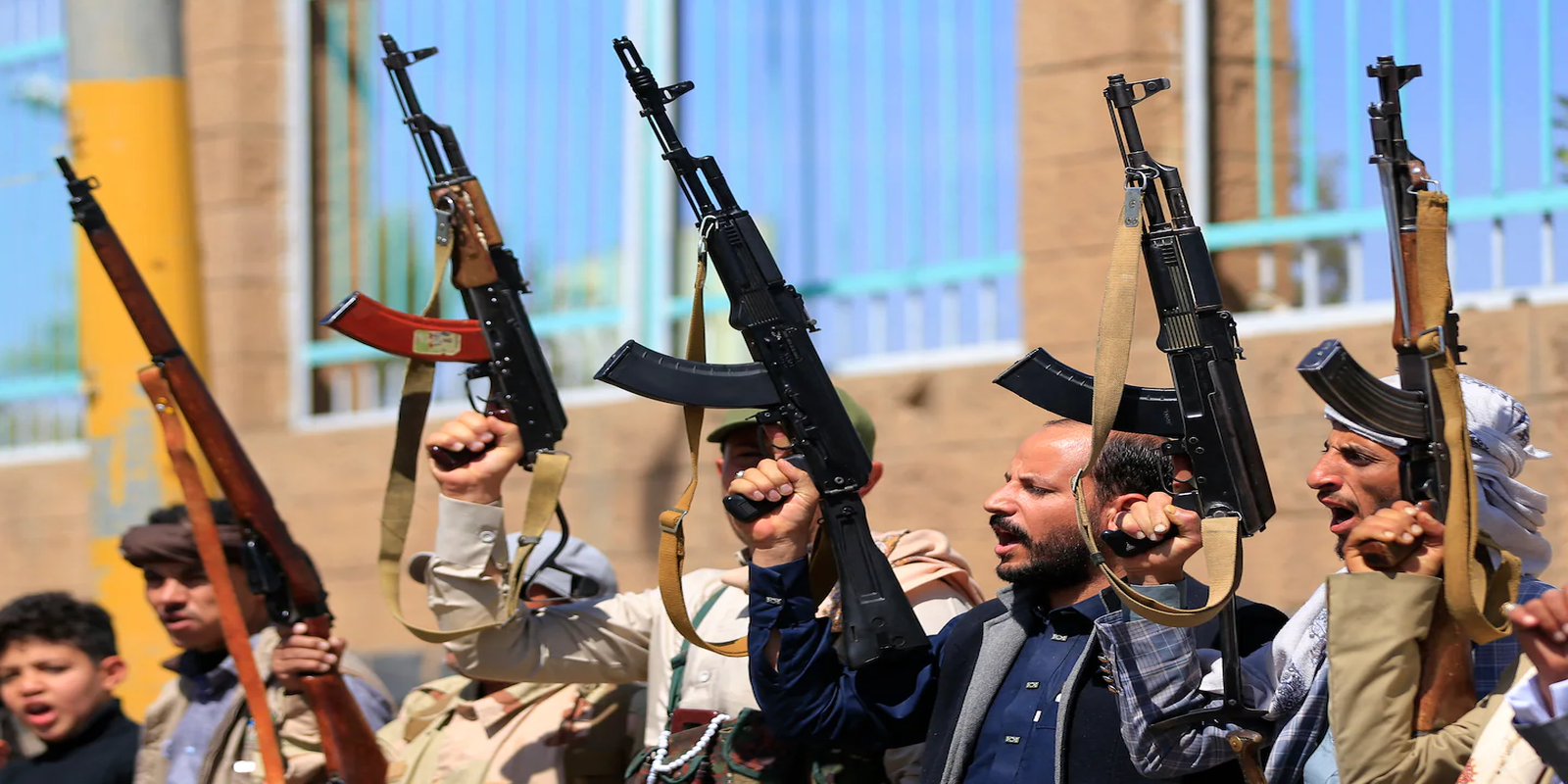
Fighters loyal to the Houthi authorities rally to recruit more fighters in the capital, Sanaa, on Wednesday. (Mohammed Huwais/AFP/Getty Images)
Saudi Arabia vows major response after Houthi strike on airport kills 12, injures 309
The U.S. has stopped short of direct military support against the Houthis in Yemen, but President Donald Trump is weighing joining strikes on the Iranian-backed rebels.
October 11, 2026 By Mohamad El Chamaa

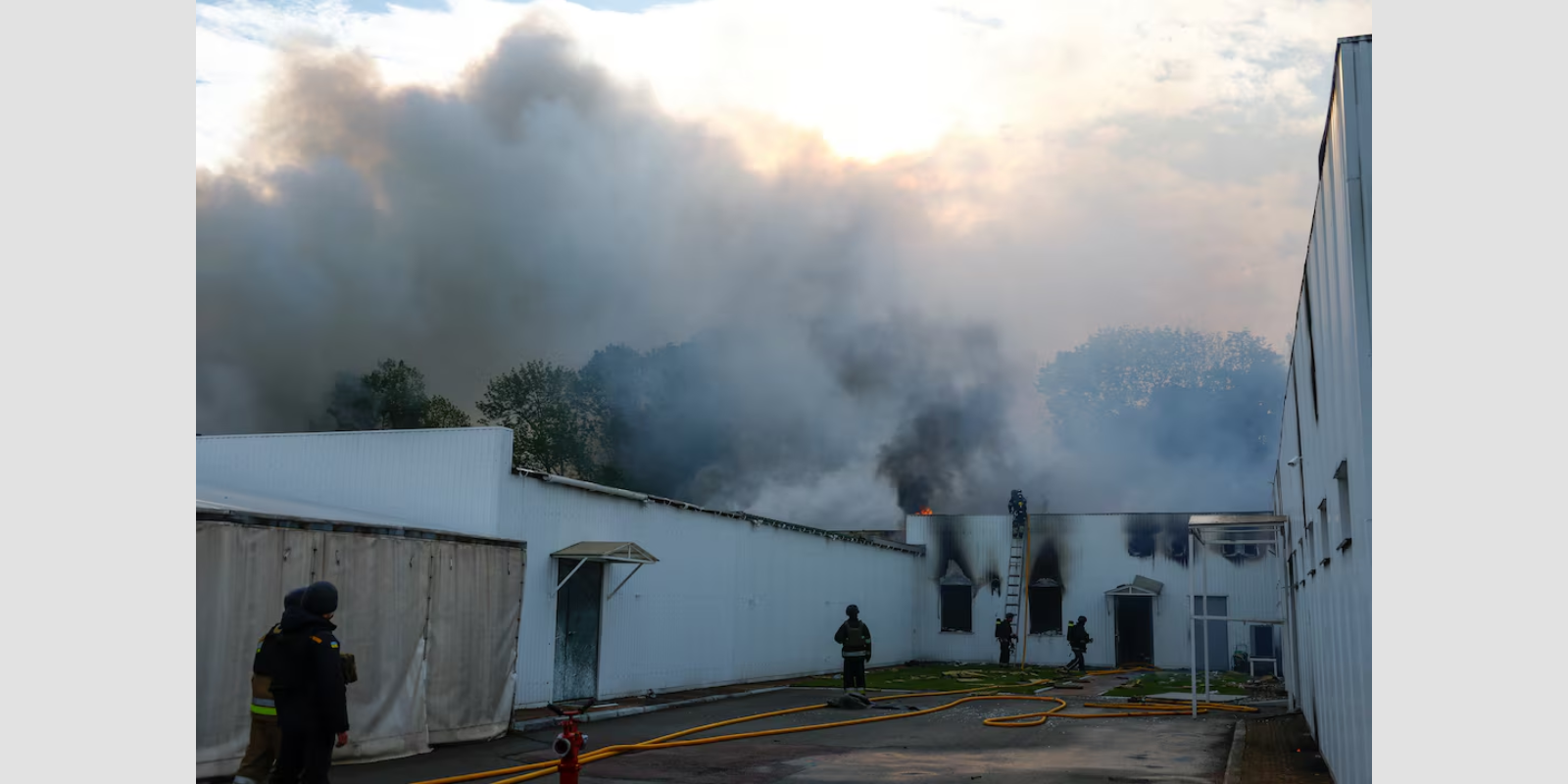
An image from video obtained and verified by the Associated Press shows smoke rising from a fire at King Khalid International Airport in Riyadh on Friday. (AP)
Saudi Arabia said Sunday it would “respond decisively” against the Iranian-backed Houthi rebels in Yemen a day after a strike on Riyadh’s international airport brought the expanding Middle East conflict home for the Saudi capital and its residents.
The attack, which left 12 dead and 309 injured and came without warning, revealed the vulnerability of the U.S. ally and the ramifications of the Trump administration’s reluctance to openly help fight the Houthis more than seven months into Washington’s war with Iran. Riyadh’s airport is the country’s second largest for civilians and is frequently used by royals and visiting dignitaries, including President Donald Trump in his last visit to the kingdom.
The United States is providing Saudi Arabia with intelligence support, analysts and U.S. officials say. But the administration has so far stopped short of the direct military assistance that officials in Saudi Arabia and its allies in Yemen’s internationally recognized government have sought.
After Saturday’s attack, Trump told reporters he was weighing whether to join Saudi strikes on the rebel group, later adding that the U.S. “has communication with the Houthis.”
A statement by the spokesperson for the Saudi-led coalition in Yemen, Turki al-Maliki, called the attack on the airport passenger terminal a “full-fledged war crime” and placed the blame on the Houthis.
Among those killed or injured Saturday were passengers and airport employees, al-Maliki added. There was no immediate information on the one American killed in the attack.
The Saudi Civil Defense did not issue a take-cover alert on its social media pages for Riyadh, and the airport had told passengers only of the need to confirm flights before heading there.
The rebel group has not publicly commented on the attack but renewed warnings Sunday for airlines not to fly into Saudi airports, calling them “potential targets” that “may become operational theaters for Yemeni forces.”
Saturday’s attack was part of a string of Houthi strikes on airports across the kingdom this week. The group also launched an offensive last month to wrest territory along Yemen’s Red Sea coast near the strategic Bab al-Mandab strait from the Saudi-backed government as Iran steps up attacks on shipping in the Strait of Hormuz, reducing the amount of oil getting out.
In the wake of the attacks, foreign missions in the kingdom urged their citizens not to use the Riyadh airport, with the U.S. Embassy saying employees needed special permission to do so. It later expanded the warning to two international airports on Saudi Arabia’s east and west coasts.
With the U.S. push for a deal to end its war with Iran stalled, the escalating conflict between the Houthis and Saudi Arabia is further rattling energy markets and threatening to draw in more of the region ahead of the U.S. midterm elections in November.
Farea al-Muslimi, a research fellow at Chatham House in Britain focusing on Yemen and the Persian Gulf, said Trump has no choice but to get involved because the attacks are tied to the larger Iranian response to the war.
“Even if he wants to avoid it for the sake of the midterms, there is something more important for him. He is presenting himself to MAGA and to everyone as the guy who is taming Iran.” Lack of action would be “humiliating for Trump, not just the Saudis,” Muslimi said.
Rachel Chason and Suzan Haidamous contributed to this report.