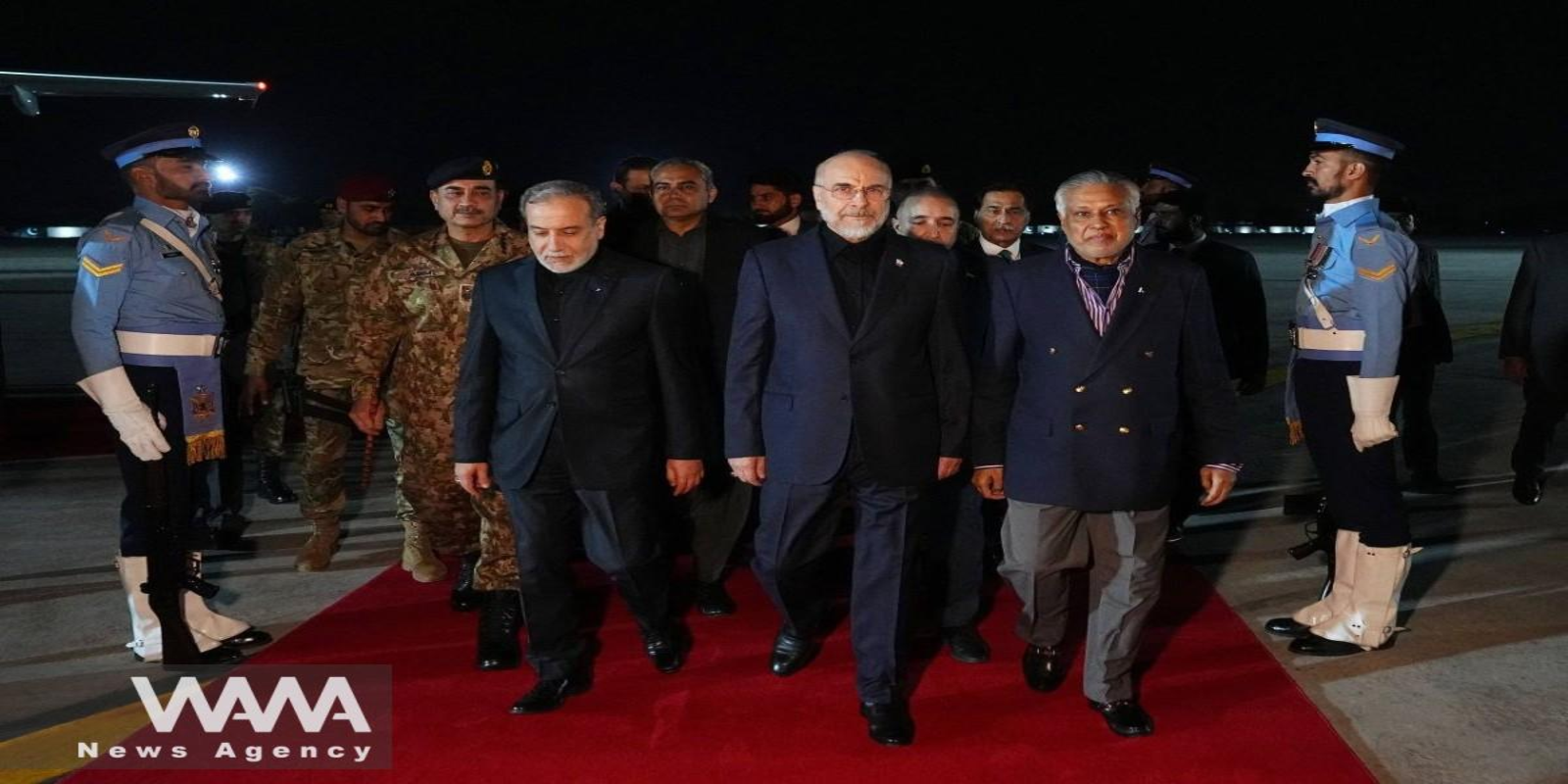
Iranian Delegation “Minab 168” Arrives in Islamabad for Potential Talks with the United States. Social media / WANA News Agency
What the Size and Structure of the Iran–U.S. Delegations Reveal
11 April 2026 WANA News
WANA (Apr 11) – The roughly 80-member Iranian delegation arrived in Islamabad last night, with negotiations set to begin today. Even before talks start, the composition of both the Iranian and American delegations carries important signals about the trajectory of the negotiations.
Since the 1979 revolution, there has been no negotiation at this level between the two countries. This is the highest-ranking set of delegations to engage in talks following an intense and exhausting conflict—one that, in a relatively unprecedented development, enjoys broad, practical backing from the majority of governing institutions.
There is still no precise information about the approximately 300-member U.S. delegation. However, a delegation of this scale—certainly including experts from multiple fields—combined with the Iranian delegation’s structure, which consists of five committees (political, military, security, legal, and economic), points to a high degree of seriousness in the negotiations.
Two main interpretations can be considered regarding Iran’s chosen composition. First, the issue may go beyond standard negotiations: the two sides might have already reached a preliminary understanding during ceasefire talks or even afterwards, necessitating such a structure to finalize the detailed aspects across the five domains mentioned.
The second possibility is more practical—given the current security conditions, the difficulty of travel, and the broad authority granted to the Iranian negotiating team, this composition may reflect a calculation that, should the talks reach an agreement, the team can immediately review and finalize the text without the need for repeated trips back to their respective capitals.
In any case, even if this structure is not based on a prior understanding, it still signals seriousness, urgency, and pragmatism in pursuing an agreement. Whether an agreement will actually be reached, however, remains uncertain. The challenges—both textual and beyond—are significant, yet the incentives and driving forces on both sides are also considerable.
Ultimately, setting aside the provocative media statements by Donald Trump and those close to him, it remains to be seen whether the deadlock of war, its mounting political and economic costs for the U.S. government, concerns over escalation if hostilities resume, and the potential infrastructure consequences for Iran can push both sides toward a mutually acceptable agreement. Time will tell.