22A: Opposition had its say, and Govt had its way
- SJB campaign against the bill fizzles out; party MPs warn Govt’s slide towards authoritarianism won’t go unnoticed by people
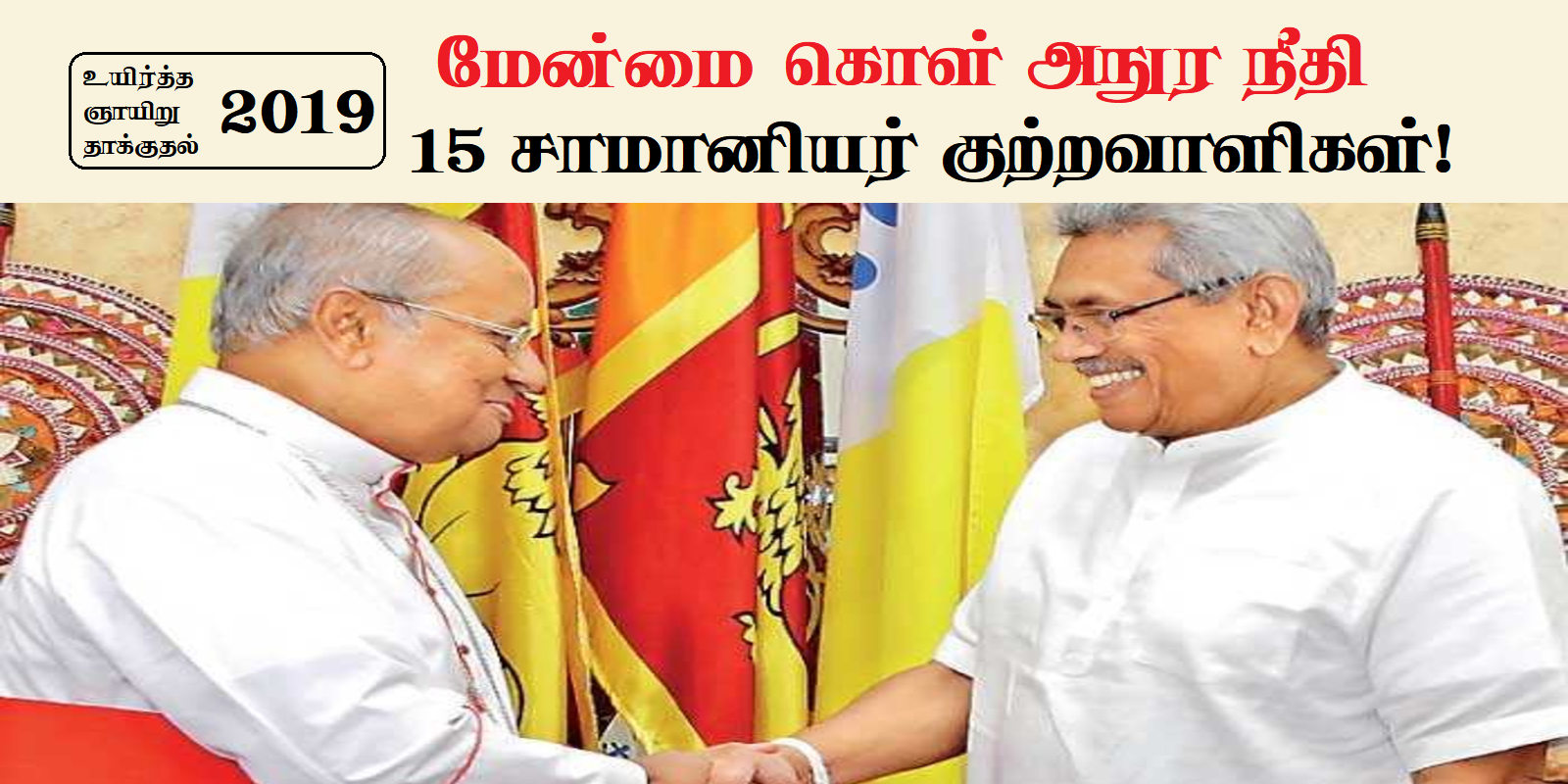
- Easter Sunday terror attack case ends with 15 men convicted, but Catholic Church says the search for the full truth is not over
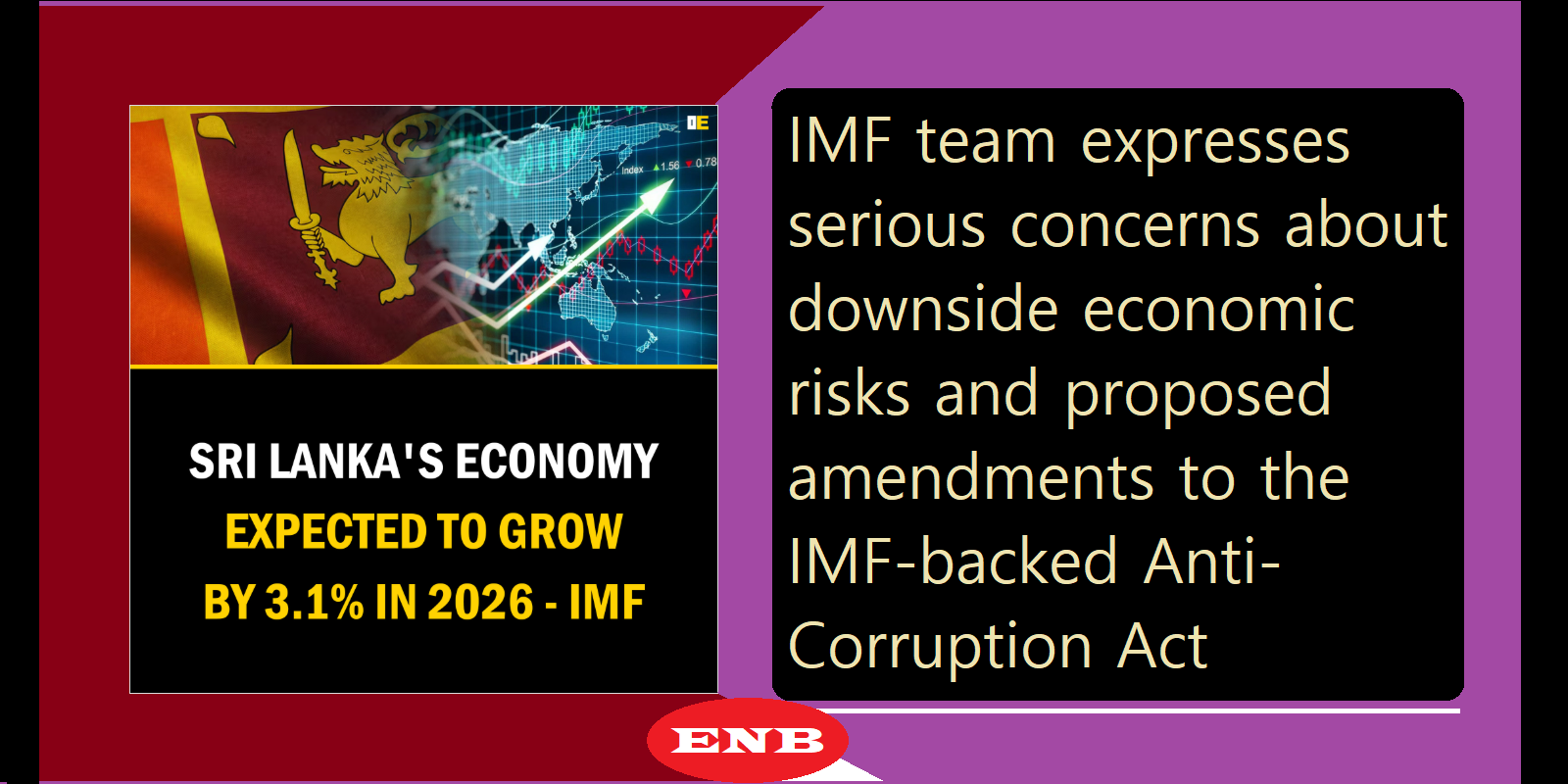
- IMF team expresses serious concerns about downside economic risks and proposed amendments to the IMF-backed Anti-Corruption Act
By our ST Political Desk 27-09-2026
The age-old parliamentary adage ‘the opposition must have its say, but the government will have its way’ came to pass this week when the much-debated Twenty-Second Amendment (22A) to the Constitution got parliamentary approval with all 158 National People’s Power (NPP) lawmakers voting in its favour.
The debate was held on Thursday and Friday after the five-member Supreme Court bench, which looked into the constitutionality of the 22A Bill and its corresponding piece of legislation, the Judicature (Amendment) Bill, determined that the bills could be enacted into law with a two-thirds majority and there was no need for a referendum. For the main opposition Samagi Jana Balawegaya (SJB) and its leader Sajith Premadasa, who have made every effort to stop the passage of the bills, making it the main focus of his campaign for several weeks, it was a disappointment, but SJB members put on a brave face, stating that the government’s slide toward authoritarianism will not go unnoticed by the voting public.
The SJB’s last-ditch effort was on Thursday morning when the party rallied its supporters to gather near the parliament roundabout to show their opposition to the bills. Inside the chamber, SJB MPs made impassioned speeches warning of the dire consequences if 22A was enacted, warning of the detrimental effects of increasing the retirement age of SC judges, including sitting judges. The amendment increases the retirement age of Supreme Court judges from 65 to 67 and Court of Appeal judges from 63 to 65. It also amends Article 137 of the Constitution to increase the number of judges of the Court of Appeal from 19 to 24 and provides for the setting up of provincial Courts of Appeal.
Tight security outside the court premises when the verdict in the Easter Sunday case was announced on Tuesday
The five-member Supreme Court bench headed by Chief Justice P. Padman Surasena ruled that the provisions of the two bills do not impinge on the independence of the judiciary as was argued by the petitioners and dismissed arguments of ‘court packing’ by the government to secure politically favourable rulings.
“The incumbent judges of this Court whose age of retirement would be increased if this Bill is passed into law are judges who have been serving in the judiciary well before the present government came to power. Indeed, these judges who have worked in the judiciary during previous successive governments and have discharged their duty independently without any fear or favour. Those governments were formed by different political parties and sometimes jointly to a certain extent. Therefore, if what the government intends is ‘court packing’, then it has to pack the Court with only incumbent judges. To the contrary, if the government intends to engage in ‘court packing’ and appoint judges who may be ideologically aligned with the government, it can do so only if it permits the retirement of the incumbent judges,” the SC said in its determination.
The Bar Association of Sri Lanka (BASL) has been in the forefront of the opposition to 22A and has rallied both local and international support against the constitutional amendment. Buddhist and Christian clergy too had cautioned the government over enacting legislation which is seen by some as an attempt to keep certain members of the judiciary on the bench longer so as to facilitate easy passage for legislation that the government plans to pass in the future. But who is to stop a government with the executive presidency and a two-thirds majority in the Houses on its side? The only hurdle could have come from the SC, but once the path was cleared, the government had a smooth jump over the final hurdle to have the bills passed with 158 of their MPs voting in favour and 62 voting against the bills. Then the bills were certified without wasting any time by Speaker Jagath Wickramaratne shortly after parliamentary approval was given, thus enacting them into law.
A day before the bills were taken up for debate, the BASL called upon all political parties in Parliament to allow MPS to speak and vote on the proposed 22nd Amendment to the Constitution according to their conscience, hoping there would be some voices raised from within the government against the proposed legislation.
The BASL reasoning was that MPs should be mindful of the possible and probable consequences the 22A will have on the nation when making their decision and the lack of transparency and a proper consultative process in its introduction. “As representatives of the people, MPs should also consider the concerns that have been expressed in relation to the proposed amendment by a broad cross-section of society,” the BASL said in a statement on Thursday. Some interpreted Prime Minister Harini Amarasuriya’s long silence on 22A despite weeks of noise around it to mean that she, like some in the National People’s Power (NPP) Executive Committee, would be opposed to the Bill. The only NPP ex-co member to publicly oppose 22A was Lal Wijenayake, and he has been probably sidelined now, and those expecting the Prime Minister to follow suit were off the mark by a long shot. Premier Amarasuriya put to rest speculation on any division within the ruling side when she addressed the House on Thursday, stating that “By 7 pm tomorrow (time of voting on Friday) you will see the unity of our 158 MPs,” she said.
Opposition SJB leader Sajith Premadasa and allied party leaders hold a protest against 22A at the Parliament Roundabout in Battaramulla. Pic by M.A.Pushpa Kumara
As to why any intelligent person would think that any of the NPP MPs would go against the party whip to vote ‘according to their conscience’, it is intriguing. When a motion was brought to the House to impeach the then Chief Justice Shirani Bandaranayake in 2013, which even the SC ruled was illegal, 155 MPs in the then ruling party of President Mahinda Rajapaksa were more than willing to raise their hands and have the motion passed.
For anyone to expect even one NPP MP to break ranks with the government over this constitutional amendment is unrealistic. Herd mentality is a pitfall of representative democracy, and for the BASL or others who canvassed for a so-called ‘conscience vote’, it was just wishful thinking. The public assumption is that all MPs listen to their conscience and cast their vote in parliament, but the reality is that they act according to a party’s command.
Given its anti-corruption drive, the government has the upper hand and convincing power to assure the public that the law is needed to strengthen the judiciary and bring miscreants to book, particularly those who escaped the long arm of the law for many years under previous administrations. The SJB leader on his part has made 22A the mainstay of his criticism of the government, but now that it’s a done deal, the focus will need to shift elsewhere. The public at large, now and even in the past, has viewed constitutional amendments such as these largely with indifference, and it’s unlikely that the fortunes of the government will see any major setback because of the enactment of 22A. However, what the public reacts to is when they are burdened with economic woes, which continue to pile up on them despite government assurances of relief. The 22nd Amendment will not win the government any new friends, nor will it earn it any new enemies, but unless there is more focus on easing the financial hardships of the people, there’s little to stop it from losing their support.
Easter Sunday terror-attack case
The judiciary was in focus this week not only over the SC determination on the 22A but also the conclusion of the long, drawn-out trial of the 24 accused in the Easter Sunday terrorist attacks. Seven years after the dastardly attacks and five years after indictments were served on the accused, the three-judge bench of the High Court Trial-at-Bar delivered its verdict: 15 of the accused were guilty of crimes ranging from conspiring and aiding the multiple bombings which killed more than 260 people and left many others maimed. Nine were cleared of all charges and acquitted. The men found guilty were sentenced to jail terms between 220 and 260 years. They are expected to appeal against the verdict.
With 23,270 charges filed, the case represents the highest number of charges ever brought in a single trial in Sri Lanka, making it one of the most significant cases in the country’s legal history. It took meticulous work of investigators as well as the Attorney General’s Department to successfully bring the cases to a conclusion. The trial was closely followed by the international community as well, given around 40 foreign nationals, including citizens from India, China, the United States and the United Kingdom, were among those killed in the attacks which targeted churches and five-star hotels in the city.
Among those who were found guilty were three men, namely Mohamed Naufar, Mohamed Anwar Mohamed Riskan and Ahmed Milhan Hayathu Moahmed, who were charged by the US Justice Department in 2021 with terrorism offences, including conspiring to provide material support to a designated foreign terrorist organisation (ISIS). The men were identified as part of a group of ISIS supporters which called itself “ISIS in Sri Lanka”. Five US citizens were killed in the attacks. The criminal case filed on Dec. 11, 2020, in the US District Court in Los Angeles was the result of a nearly two-year investigation by the FBI, which assisted Sri Lankan authorities in the wake of the suicide bombings.
The Catholic Church, which has been actively seeking justice for the victims, welcomed the verdict but said its efforts to uncover the full circumstances behind the bombings have not ended.
Speaking to reporters on Thursday night after the verdict was delivered, Rev. Fr Jude Krishantha Fernando, Mass Communications Director for the Archdiocese of Colombo, said those found guilty represented only one part of the case and called for investigations to continue into whether others were involved in facilitating the attacks or allowing them to take place.
The focus will now shift to the ongoing investigation into the case the CID is pursuing, alleging that the former head of the State Intelligence Service (SIS), Suresh Sallay, had links with the alleged conspirators behind the bombings. He has been held under the Prevention of Terrorism Act (PTA) for over six months, but no indictments have been filed so far.
IMF concerns
On the economic front, the Appropriation Bill for the 2027 financial year was gazetted this week, outlining an estimated total government expenditure amounting to Rs 4.99 trillion, while capping the borrowing limit at Rs 3.8 trillion.
The Ministry of Finance, Planning and Economic Development gets the largest financial allocation, with a total allocation of nearly Rs 857 billion. This is followed by the Ministry of Public Administration, Provincial Councils and Local Government with Rs 651 billion. The Ministry of Health and Mass Media has a total allocation of Rs 590.5 billion, while the Ministry of Transport, Highways and Urban Development has been allocated Rs 500 billion. The top five ministries with the most allocated funds are rounded off by the Ministry of Defence, with a total allocation of Rs 458 billion.
The nearly Rs 857 billion allocation for the Ministry of Finance, Planning and Economic Development is a sharp increase from the Rs 635 billion allocated to it under Budget 2026. The Ministry of Public Administration, Provincial Councils and Local Government’s allocation of Rs 651 billion is also considerably higher than the Rs 596 billion allocation it received last year. The allocation for the Health and Media Ministry too has risen from Rs 555 billion last year to Rs 590.5 billion this year. The increase for the Ministry of Defence has been more modest, up from Rs 455 billion to Rs 458 billion.
Other ministries whose allocations have been increased significantly compared to last year’s budget include the Ministry of Education, Higher Education & Vocational Education. Its allocation has gone up from Rs 301 billion to Rs 328 billion. The allocation for the Ministry of Public Security and Parliamentary Affairs has been increased from Rs 193 billion to Rs 230.5 billion.
Even as the Appropriation Bill 2027 was gazetted, a team from the International Monetary Fund (IMF) was winding up its visit to Sri Lanka relating to the Seventh Review of the IMF’s Extended Fund Facility (EFF) for the country. The team, led by IMF Mission Chief for Sri Lanka Evan Papageorgiou, was in the country from September 10 to 23 and held discussions with many key stakeholders, including President and Finance Minister Anura Kumara Dissanayake, Prime Minister Harini Amarasuriya, Labour Minister and Deputy Finance Minister Anil Jayantha Fernando, Central Bank Governor Nandalal Weerasinghe, Treasury Secretary Harshana Suriyapperuma, the President’s Senior Economic Advisor Duminda Hulangamuwa, and the Chief Digital Economy Advisor Hans Wijayasuriya. The IMF delegates also visited Jaffna, where they met with Northern Province Governor Nagalingam Vethanayahan.
When the visit concluded on Wednesday, it was without a staff-level agreement on the policies and parameters required to complete the EFF’s Seventh Review. Addressing the media in Colombo at the conclusion of the team’s visit, Mr Papageorgiou said the discussions had been “productive”, adding that Sri Lanka’s economy has “proved remarkably resilient to successive shocks”. He, however, warned that the country continues to face downside risks from uncertainty over the duration and intensity of the West Asian war, global trade policy, and the impact of El Niño. He added that safeguarding macroeconomic stability in a shock-prone environment requires unwavering commitment to prudent policies and reforms to rebuild fiscal and external buffers, maintain price stability, and advance the governance agenda while strengthening social safety nets to protect the most vulnerable.
“In this regard, it would be critical to develop and implement a medium-term strategy to sustain revenue mobilisation while improving the efficiency and fairness of the tax system. Steadfast efforts are needed to broaden the tax base and rationalise tax exemptions and incentives. Strengthening revenue administration would further improve tax compliance and support durable revenue gains. Upholding cost-recovery energy pricing will help minimise fiscal risks arising from state-owned enterprises. It is also important to address bottlenecks to capital spending execution, including to accelerate cyclone Ditwah-related recovery and reconstruction,” the IMF’s Mission Chief noted.
During his press briefing, Mr Papageorgiou also made the IMF’s concern over the government’s moves to amend the existing Anti-Corruption Act clear, stressing that preserving the integrity of the anti-corruption legislative framework is critical to enhance public trust. “Select clauses from the recently tabled amendments could weaken transparency and accountability,” he cautioned. The IMF supported and pushed for the passage of anti-corruption legislation as a requirement to receive its USD 2.9 billion bailout package. As such, for the Mission Chief to so bluntly and publicly criticise the government’s attempts to amend the legislation shows just how much the IMF has been alarmed by some of the amendments the government intends to make to the landmark legislation that was passed by the previous parliament in 2023.
As for the Anti-Corruption (Amendment) Bill, the Supreme Court’s determination of the bill was announced in parliament this week. The three-judge bench – comprising Justices Shiran Gooneratne, Mahinda Samayawardhena and Sampath Wijeratne – which considered the fundamental rights petitions that were filed challenging the bill, has ruled that several of the clauses were inconsistent with the Constitution. Some of them would have to be passed with a two-thirds special parliamentary majority, while Clause 17, which restricts the power of magistrate’s courts to grant bail in certain bribery and corruption cases, infringes on the judicial power of the people and would have to be passed by a two-thirds special majority in Parliament and by the people at a referendum, the court has ruled.
Just how the government intends to proceed with the bill in the aftermath of the Supreme Court’s determination and criticism from the IMF remained unclear.
As the government prepares for Budget 2027, which will be formally presented to Parliament on November 12 by President Dissanayake in his capacity as Finance Minister, the failure to conclude discussions with the IMF with a staff-level agreement has raised concern that the government is finding it difficult to secure the next tranche of its bailout package with the IMF. Deputy Finance Minister Anil Jayantha Fernando, however, insisted in a media statement that there was no such danger. “A small group has been claiming that the government has been unable to reach a staff-level agreement with the IMF and the country will not receive the next instalment of the IMF’s bailout package as a result. This same group has been spreading such negative stories for a long time, but all of them have turned out to be false,” said the deputy minister. He insisted that the government would be able to enter into a new staff-level agreement with the IMF at the conclusion of the current review.
There is, however, uncertainty as to whether the NPP government is aiming to go for a successor programme with the IMF once the current EFF programme ends in March 2027. When the question was put to Mr Papageorgiou at Wednesday’s press conference, he pointed out that Sri Lanka still needed to complete two more reviews before the conclusion of the current programme. As far as a new programme with the IMF is concerned, a request has to come from the Government of Sri Lanka. A new IMF programme will depend on the economic goals Sri Lanka wants to achieve, he noted.
Some in the government are known to oppose moving forward with the IMF with another such programme, insisting that the country’s economy has now recovered enough to move ahead without such a programme. They have also pointed out that entering into such a programme could result in the government being unable to provide people with economic relief that it may wish to owing to the government’s hands being tied by IMF conditions. There are also others who caution against taking any hasty decision to rule out a further programme with the IMF. It may well be that a clearer picture will emerge as to the course of action the government intends to take when Budget 2027 is presented to Parliament.
New anti-terrorism bill defines offences, addresses key concerns
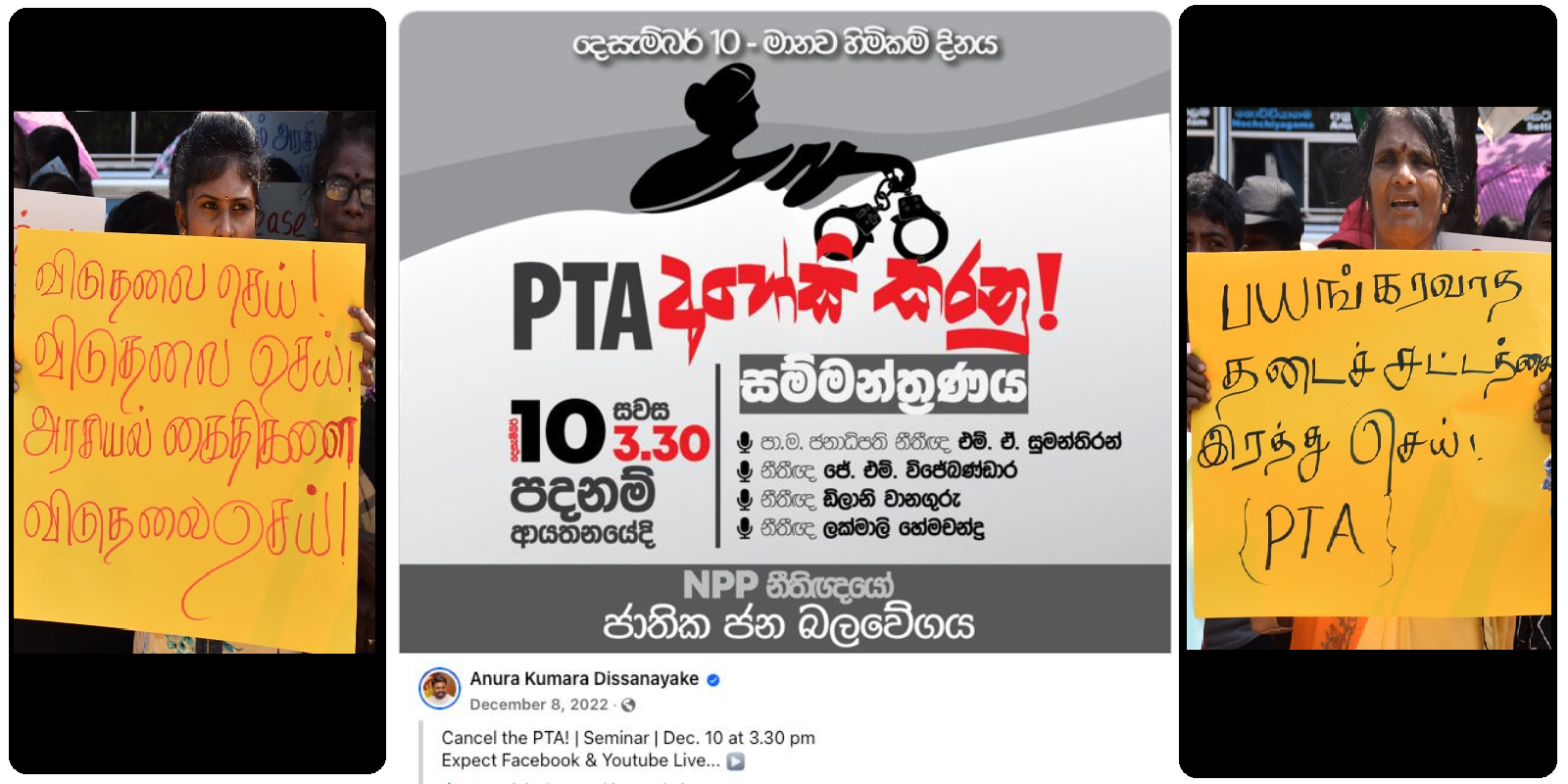
The Protection of the State from Terrorism (PST) Bill, designed to replace the controversial Prevention of Terrorism Act (PTA), was gazetted this week. Repealing the Prevention of Terrorism (Temporary Provisions) Act, No. 48 of 1979, was one of the key election pledges of the NPP, and the publication of the bill at a time when President Anura Kumara Dissanayake marked two years in office was hailed by the government as the NPP taking steps to follow through on yet another election promise.
After it was gazetted, the Justice and National Integration Ministry stated that a key objective of the new bill is to “protect the country and its people from terrorist activities occurring within or outside Sri Lanka, with particular emphasis on preventing the use of Sri Lankan territory or Sri Lankan citizens for international terrorist activities.” It noted that in accordance with the approval of the Cabinet of Ministers, the Minister of Justice and National Integration had earlier appointed a Committee of Experts to formulate new legislation capable of addressing emerging security challenges in the modern world while repealing the existing Prevention of Terrorism Act. The Committee had prepared the new bill following consultations and the receipt of views from the public, civil society, and the international community, the ministry stressed.
The proposed PST Bill has some significant differences from the PTA. Following are some of the ways the new bill differs from the PTA:
The PST Bill explicitly defines the “offence of terrorism” as committing specified acts (such as causing death, grievous hurt, hostage-taking, or serious damage to public infrastructure/cyber systems) with the purpose of provoking a state of terror in the public or unduly compelling a government or international organisation do or to abstain from doing any act, in order to advance a political or ideological objective. The PTA by contrast, does not contain an explicit, overarching legal definition of “terrorism”.
The PST Bill explicitly provides that engaging in peaceful protest, advocacy, dissent, strikes, or legitimate humanitarian activities is not a basis for inferring terrorism. It also explicitly excludes fair and accurate journalistic reporting, civil society advocacy, academic research, satire, and legal representation from terrorist offences. The PTA contains no such express protections.
Confessions made by a suspect (oral or written) to a police officer not below the rank of Assistant Superintendent of Police (ASP) are admissible in court as evidence under the PTA. The burden of proving that a confession was obtained under coercion or torture rests on the accused. Under the proposed PST Bill, confessions made to police officers are no longer admissible as evidence. Statements must be recorded directly by a magistrate under statutory safeguards. They include the magistrate having to confirm that the statement is made voluntarily, the suspect having to be examined by a judicial medical officer before and after the recording of the statement, and a suspect’s statement being audio-visually recorded.
Under the PST Bill, suspects must be produced before a magistrate within 48 hours of arrest. Written notice must also be given of arrest to the suspect’s next of kin within 24 hours. The Human Rights Commission of Sri Lanka must also be notified of the arrest.
Under the PTA, detention orders are issued directly by the Minister of Defence, and initial detention can last up to three months, extendable up to an aggregate maximum of 18 months. Under the proposed PST Bill, Detention Orders are issued by the Secretary to the Ministry of Defence (upon application by authorised senior police) for up to two months at a time, up to an aggregate maximum of one year. Extension of detention beyond two months requires explicit approval from the High Court.
Suspects arrested under the PST must be kept only in gazetted “approved places of detention” under “approved conditions of detention”.

ஒத்தவை:
சென்ற வாரம் இலங்கை-சண்டே ரைம்ஸ்