நிதி உதவி வழங்க !

UPI ID : enb@axis.com
UPI ID : enb@axis.com

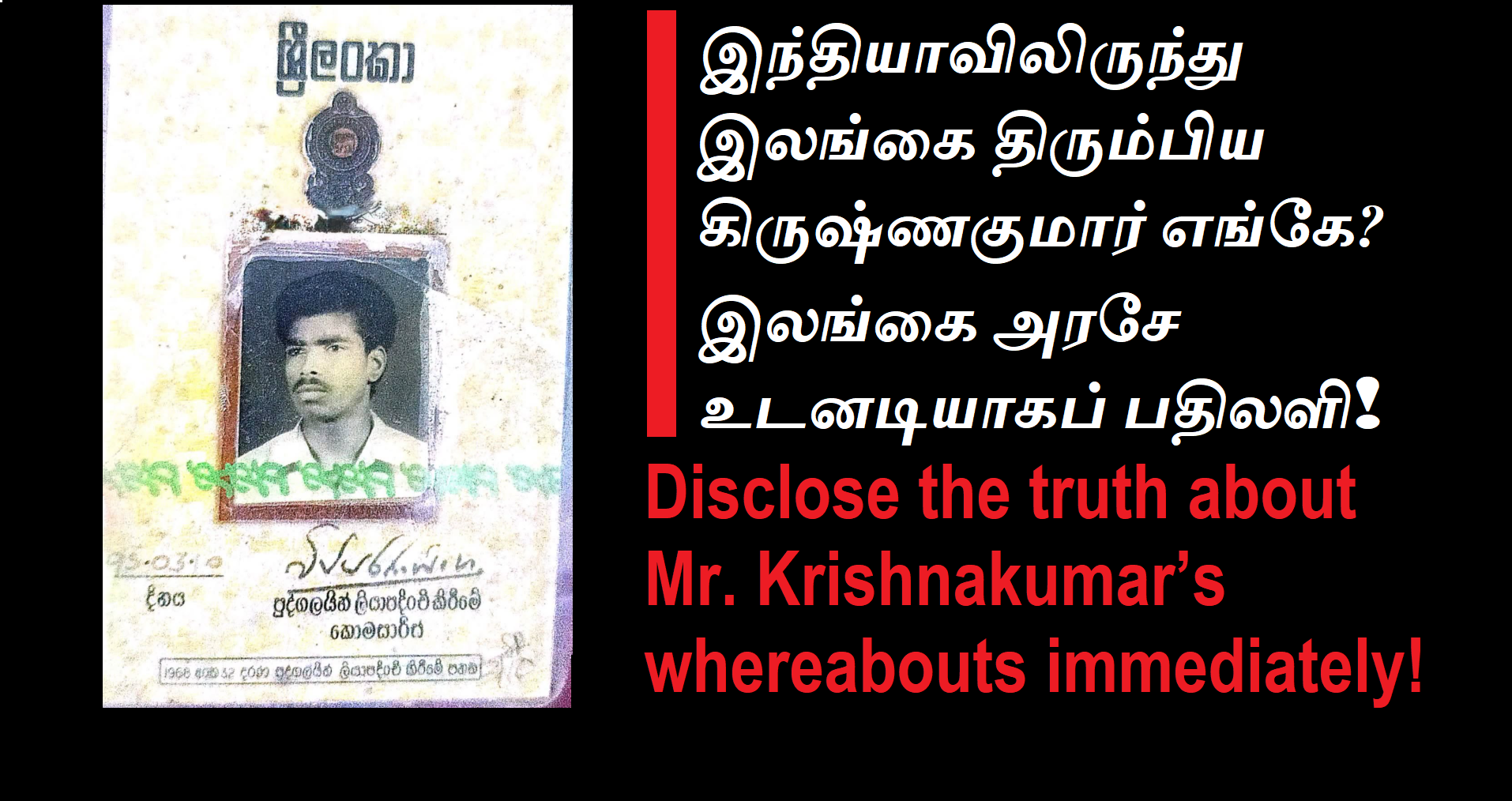
இந்தியாவிலிருந்து இலங்கை திரும்பிய கிருஷ்ணகுமார் எங்கே? இலங்கை அரசு உடனடியாகப் பதிலளிக்க வேண்டும்!2009ஆம் ஆண்டு நாட்டில் நிலவிய சூழ்நிலை காரணமாக இலங்கையை விட்டு வெளியேறிய கிருஷ்ணகுமார் அவர்கள், இந்தியாவின் திருச்சி தடுப்பு முகாமில் தடுத்து வைக்கப்பட்டிருந்தார்.2015ஆம் ஆண்டளவில் இந்தியாவில் அவருக்கு எதிராகத் தொடரப்பட்ட வழக்கொன்றில் தண்டனை விதிக்கப்பட்டிருந்தது. அந்தத் தண்டனைக் காலம் நிறைவடைந்த பின்னரும் பல ஆண்டுகளாக அவர் தடுப்பில் வைக்கப்பட்டிருந்தார்.இந்நிலையில், மீண்டும் இலங்கைக்குத் திரும்புவதற்கான முயற்சிகளை மேற்கொண்டிருந்த கிருஷ்ணகுமார் அவர்கள், நேற்று (26.10.2026) மாலை இலங்கைக்குத் திருப்பி அனுப்பப்பட்டார்.நேற்று மாலை சுமார் 4 மணியளவில் ஸ்ரீலங்கன் ஏர்லைன்ஸ் விமானத்தில் இந்தியாவிலிருந்து புறப்பட்ட அவர், புறப்படுவதற்கு முன்னர் என்னைத் தொடர்புகொண்டு தான் இலங்கைக்கு வருவதாகத் தெரிவித்திருந்தார்.மாலை சுமார் 5.45 முதல் 6 மணிக்குள் அவர் இலங்கையை வந்தடைந்திருக்க வேண்டும். ஆனால் அதன் பின்னர் அவரிடமிருந்து எந்தவிதமான தொடர்பும் கிடைக்கவில்லை. அவரது குடும்பத்தினருக்கும் அவர் எங்கிருக்கிறார் என்பது தொடர்பாக எந்தத் தகவலும் வழங்கப்படவில்லை.அவர் இலங்கைக்கு வந்தவுடன் கைது செய்யப்பட்டிருக்கலாம் என்ற பலத்த சந்தேகம் எமக்கு எழுந்துள்ளது.வெளிநாடுகளில், குறிப்பாக இந்தியாவில் அகதிகளாகவும் தடுப்பு முகாம்களிலும் வாழ்ந்துவரும் இலங்கையர்களை மீண்டும் நாட்டுக்குத் திரும்புமாறு இலங்கை அரசு பகிரங்கமாக அழைப்பு விடுத்திருந்தது.ஆனால் அவ்வாறு நாடு திரும்புகின்ற ஒருவர், தனது குடும்பத்தினருக்கு ஒரு தொலைபேசி அழைப்பைக்கூட மேற்கொள்ள முடியாத நிலையில் காணாமல் போகின்ற சூழ்நிலை உருவாகுமானால், இந்தியாவில் வாழும் ஏனைய இலங்கை அகதிகள் எவ்வாறு நம்பிக்கையுடன் நாடு திரும்புவார்கள்?கிருஷ்ணகுமார் அவர்கள் எங்கே? அவர் கைது செய்யப்பட்டுள்ளாரா? அவ்வாறாயின் எந்தக் குற்றச்சாட்டின் அடிப்படையில் கைது செய்யப்பட்டுள்ளார்? தற்போது எங்கு தடுத்து வைக்கப்பட்டுள்ளார்?இந்தக் கேள்விகளுக்கு இலங்கை அரசாங்கமும் சம்பந்தப்பட்ட பாதுகாப்புத் தரப்பினரும் உடனடியாகத் தெளிவான பதிலை வழங்க வேண்டும்.இந்த விடயத்தில் பாராளுமன்ற உறுப்பினர்கள், சிவில் சமூகச் செயற்பாட்டாளர்கள், மனித உரிமைப் பாதுகாவலர்கள் அனைவரும் உடனடியாகக் கவனம் செலுத்துமாறு கேட்டுக்கொள்கிறேன்.கிருஷ்ணகுமார் அவர்களின் இருப்பிடம் தொடர்பான உண்மையை உடனடியாக வெளிப்படுத்துங்கள்!நன்றி.ராஜ்குமார் ராஜீவ்காந்த்https://www.facebook.com/rajkumarrajeevkanth1986
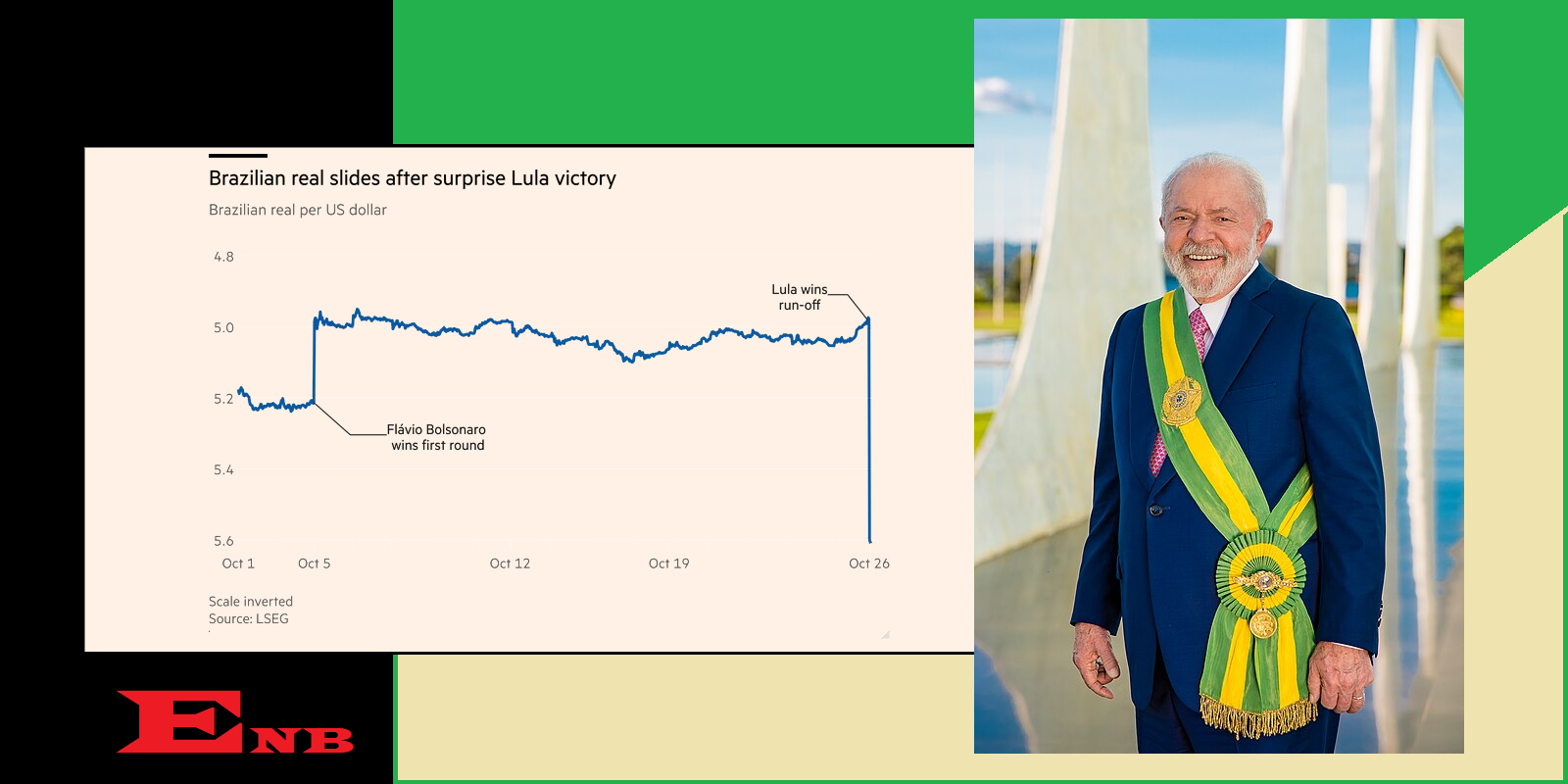
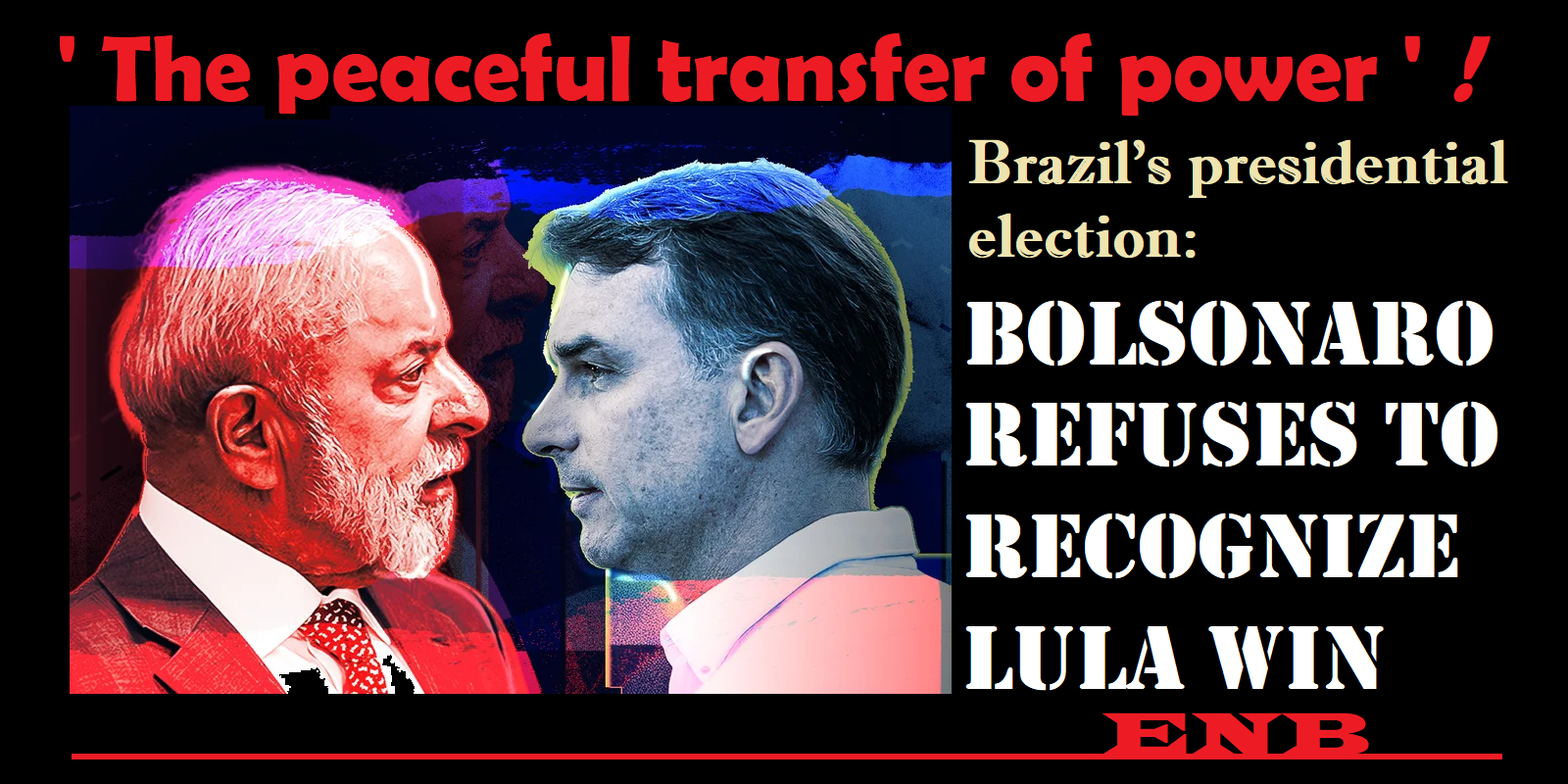
Brazil’s currency plunges most since 1999 after Lula’s election victoryMichael Pooler in São Paulo and Joseph Cotterill in London©FT YESTERDAY 26-06-26Purchesed Article-ENBBrazil’s currency plunged the most since 1999 on Monday after President Luiz Inácio Lula da Silva’s surprise re-election victory ignited concerns over public debt and spending in Latin America’s largest economy.The Brazilian real tumbled 8 per cent against the US dollar to R$5.41 in a chaotic trading session following the leftwing incumbent’s triumph over hard-right challenger Flávio Bolsonaro in a run-off vote on Sunday.São Paulo’s benchmark Bovespa equity index shed 13.9 per cent after briefly triggering an emergency trading halt, while bets on future long-term interest rates rose sharply and yields on some domestic bonds surged past 15 per cent.It was the worst day for the Bovespa since the market ructions in 2020 prompted by the coronavirus pandemic.The sell-offs wiped out a rally since the opposition candidate, who had led polls as the favourite, topped a first-round ballot earlier this month with promises of pro-business policies.It underscored rising market concerns about Brazil’s public finances, piling pressure on the 80-year-old Lula to take action to shore up the government’s accounts.“The local market has sold off dramatically,” said Graham Stock, senior sovereign strategist at asset manager RBC BlueBay. “These are huge moves . . . It’s a clear message that fiscal adjustment is the priority.”However, that task could prove politically challenging for the former union leader, who previously ruled from 2003 to 2010 and returned to office four years ago.On the campaign trail, Lula made costly spending pledges, including free public transport at weekends, debt forgiveness for individuals and increased welfare payments. Critics accused him of election giveaways to secure votes.Lula’s 51.8 per cent of votes in the tiebreaker versus 48.2 per cent for his adversary, the 45-year-old son of jailed ex-president Jair Bolsonaro, stunned many investors who had bet on a change of government next year.They hoped the younger Bolsonaro would be willing to tackle Brazil’s large budget deficit and thereby bring down its double-digit interest rates, which are a drag on growth and hurt household finances.“The result wrongfooted a market that had increasingly priced a Bolsonaro victory . . . investors had been anticipating a better chance of fiscal consolidation,” said Jim Reid, head of global macro at Deutsche Bank.Fred Nobre, portfolio manager at local brokerage and investment firm Warren Brasil added: “The sentiment is very poor. It’s the worst day for asset performance in many years.”As Lula has pursued a tax-and-spend approach to spur economic growth, the IMF has projected Brazil’s fiscal deficit will be equal to about 8 per cent of GDP this year.Economists warn public debt — at about 83 per cent of GDP — is relatively high for an emerging economy and one reason why the central bank has kept interest rates high, with its policy rate currently at 13.75 per cent.“Unless Lula provides clarity on the country’s fiscal issues, interest rates will likely remain high, the Brazilian real will depreciate and GDP growth will be limited by the tight conditions,” said Aldo Ruiz, emerging market equities analyst at Federated Hermes.Despite Lula’s historic victory, he will face a hostile Congress dominated by conservatives, many allied with Bolsonaro. Analysts say this will make governing harder and could restrain his ability to pursue a looser fiscal agenda.Nevertheless, more spending measures Lula announced before the run-off vote “mean that the starting point for much-needed fiscal consolidation is higher now”, said Kurt Knowlson, portfolio manager at Aviva Investors.Investors’ focus will now be on Lula’s choice of finance minister to replace the interim incumbent.Stock at RBC BlueBay said: “People will be looking for a statement of fiscal intent on the part of the Lula administration, and a key part of that will be the appointment of a finance minister.”Before Sunday’s result, the real had gained 10 per cent against the US dollar this year while Brazil’s stock market had been one of the world’s best performing, up 38 per cent in dollar terms, only slightly behind South Korea’s semiconductor-heavy index.Lula’s stunning comeback meets fiscal realityFinancial stocks were among the hardest hit on São Paulo’s bourse, with an index tracking the sector plummeting 22 per cent on Monday. Investment bank BTG Pactual fell 25 per cent, state-controlled lender Banco do Brasil lost 29 per cent and commercial bank Bradesco lost 22 per cent.Among US-listed Brazilian companies, shares in XP, a digital brokerage, fell 48 per cent. Nubank, one of the world’s biggest fintechs, fell 17 per cent.The impact was felt in overseas markets. The yield on Brazil’s dollar-denominated bonds due in 2036 rose from 6.72 per cent to 6.94 per cent, while shares in Spain’s Banco Santander, which has a large Brazilian unit, fell 3.1 per cent.
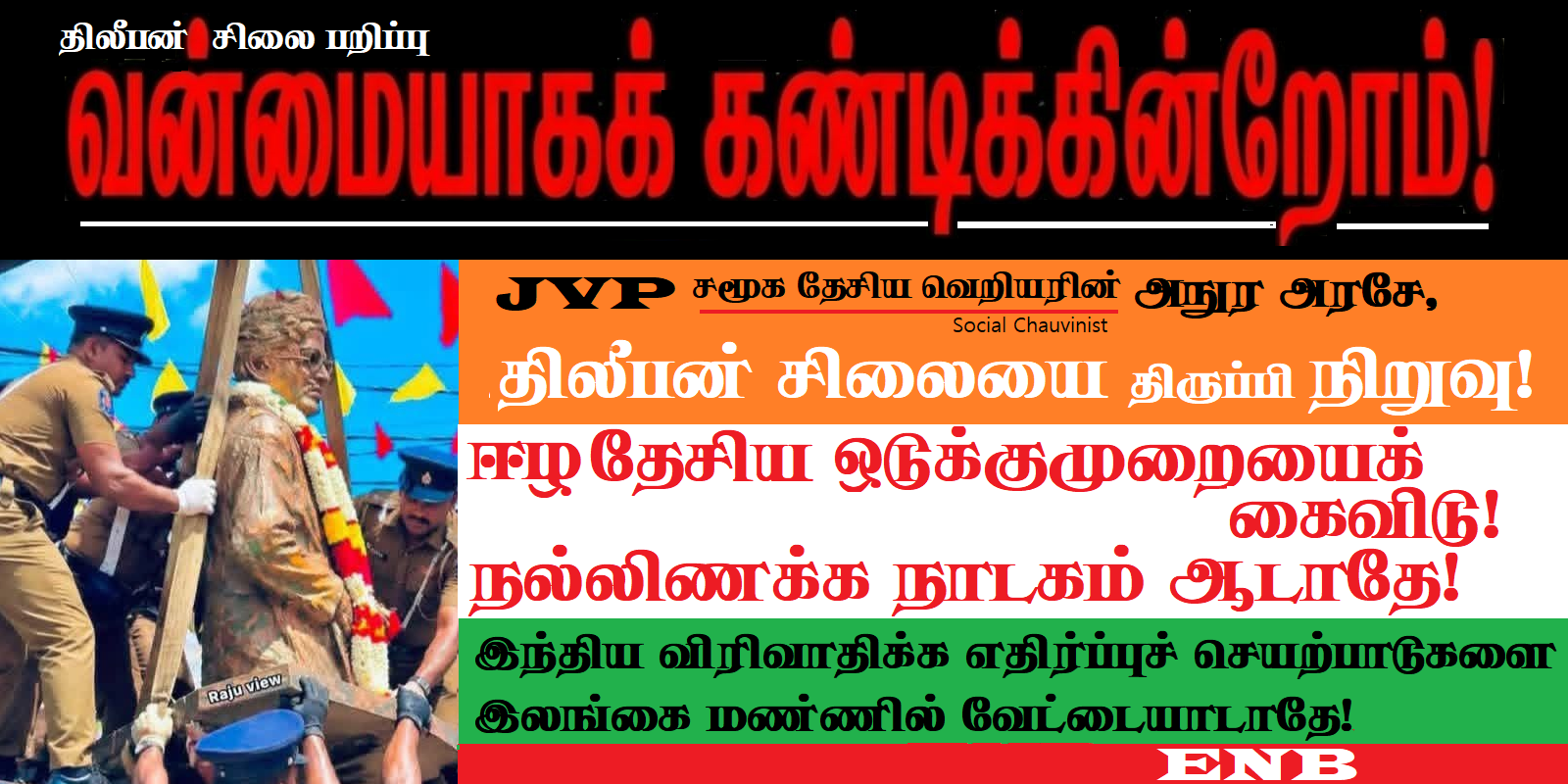
தியாகி திலீபன் சிலை பறிப்புENB அறிக்கைஈழம்-யாழ்ப்பாணம் நல்லூரில் அமைக்கப்பட்டிருந்த தியாகதீபம் திலீபனின் வெண்கலச் சிலை, இலங்கை போலீசாரால் வலுக்கட்டாயமாக அகற்றப்பட்டுள்ளது. திலீபனின் 39ஆம் ஆண்டு நினைவு நாளின் இறுதி நாள் நிகழ்வுகள் நிறைவடைந்ததைத் தொடர்ந்து, செப்டம்பர் 27, 2026 அன்று அதிகாலையில் இந்த நடவடிக்கை மேற்கொள்ளப்பட்டது. நாடெங்கிலுமிருந்து ஆயிரக்கணக்கான மக்கள் ஒன்று திரண்டு 11 நாட்கள் தொடர்ந்து அஞ்சலி செலுத்தியதைத் தொடர்ந்து, 12ம் நாள் தனது பொலிஸ் படையை ஏவி இந்தப் பேடித்தனமான செயலைச் செய்துள்ளது, ஜே,வி,பி சமூக தேசிய வெறியரின் அனுர அரசு,செப்டம்பர் 27 அதிகாலை வேளையில், சுமார் 15 முதல் 20 வரையிலான போலீசார் நல்லூர் நினைவிடத்திற்கு வந்து, சிலையின் பீடத்தை உடைத்து திலீபனின் சிலையை வாகனத்தில் ஏற்றிச் சென்றுள்ளனர். இந்தத் காட்சிகள் அங்குள்ள கண்காணிப்பு கேமராவிலும் (CCTV) பதிவாகியுள்ளன.திலீபனின் நினைவு இல்லத்தில் கடந்த 39 வருடங்களாக மக்கள் அஞ்சலி செலுத்தி நினைவு கூர்ந்து வருகின்றனர்.முன்னைய சிலைகள் தகர்க்கப்பட்ட நிலையில் இவ்வாண்டு திலீபனின் நினைவு தினத்தை முன்னிட்டு கடந்த செப்டம்பர் 15 அன்று பொதுமக்களாலும்,சிவில் அமைப்புகளாலும்,அரசியல் கட்சிகளாலும் இந்தச் சிலை அங்கு நிறுவப்பட்டது.தமிழீழ விடுதலைப் புலிகள் (LTTE) இயக்கம் இலங்கையில் தடைசெய்யப்பட்ட ஒன்றாக இருக்கும் நிலையில், இச்சிலை "சட்டவிரோதமானது" எனக் கூறி நீதிமன்ற அனுமதியுடன் தாங்கள் இந்த நடவடிக்கையை எடுத்ததாக காவல்துறை தரப்பில் தெரிவிக்கப்பட்டுள்ளது.ஆனால் அத்தகைய எந்த ஆவணங்களையோ, சட்ட விளக்கங்களையோ பொலிசார் தமக்கு வழங்கவில்லையென தனது கண்டன உரையில் வேலன் சுவாமிகள் கூறியுள்ளார்,மேலும் இதன் சட்ட நியாயம் குறித்து சட்டத்துறையினரும் கேள்வி எழுப்பியுள்ளனர், ஏனெனில் மாவீரர் தினத்தில் அரசு அழுது புலம்புவதற்கு உரிமை வழங்கியிருந்தது, போலீசாரின் இந்த நடவடிக்கைக்கு தமிழ் அரசியல் தலைவர்கள், சிவில் சமூகத்தினர் மற்றும் பொதுமக்கள் தரப்பில் இருந்து கடும் கண்டனங்கள் எழுந்துள்ளன. சிலை அகற்றப்பட்ட இடத்திற்கு மக்கள் தொடர்ந்து வருகை தந்து, மலர் தூவி அஞ்சலி செலுத்தி வருகின்றனர்.1987 செப்டம்பரில் இந்திய அரசுக்கு எதிராக 5 அம்சக் கோரிக்கைகளை முன்வைத்து திலீபன் நல்லூரில் உண்ணாவிரதமிருந்து உயிர்நீத்தார். அதற்குப் பிறகு அங்கு அமைக்கப்பட்ட நினைவுத் தூபி மற்றும் சிலைகள், கடந்த 1996, 2007 மற்றும் 2012 ஆகிய ஆண்டுகளில் இலங்கை ராணுவத்தினரால் அடுத்தடுத்து சிதைக்கப்பட்டதும், தற்போது மீண்டும் அங்கு வைக்கப்பட்ட சிலை அகற்றப்பட்டிருப்பதும் குறிப்பிடத்தக்கது.இதனால் நாடளாவிய வகையில் மக்கள் கொதித்து கொந்தளித்துள்ளனர்,இவ்வேளையில் சிலை தொடர்பாக ஓட்டுப் பொறுக்கி நாடாளமன்றக் கட்சிகளிடையே நாய்ச் சண்டை ஆரம்பமாகிவிட்டது, இவர்கள்தான் எதிர்ப்பு நடவடிக்கைகளுக்கும் அழைப்பு விட்டுள்ளனர்,திலீபன் இந்திய இலங்கை ஒப்பந்தத்தை அம்பலப்படுத்தவும், இந்திய ஆக்கிரமிப்புப் படையை எதிர்த்தும் போராடி உயிர் நீத்தார்.இந்திய இலங்கை ஒப்பந்தத்தால் ஒட்டுமொத்த நாட்டிற்கும் ஏற்படப்போகும் தீங்கை முதல் முதலாக- ஒப்பந்தம் கைச்சாத்திடுவதற்கு முன்னதாக சுதுமலைப் பிரகடனத்தில் சுட்டிக்காட்டியவர் திரு,பிரபாகரன் மட்டுமே.இலங்கை நாடாளமன்றத்தில் கூட இந்த ஒப்பந்தம் விவாதிக்கப்படவில்லை.அதன் ஒரு பிரகிதிகளுக்கும் அதில் என்ன இருக்கின்றது என்று தெரியாது.இன்றும் பலருக்கு தெரியாதிருக்க வாய்ப்புண்டு.இதே போல் தான் அனுரா ஆட்சி இந்தியாவுடன் செய்து கொண்ட இரு இராணுவ ஒப்பந்தங்களும் விவாதிக்கப்படவில்லை, பகிரங்கப்படுத்தப்படவும் இல்லை.இலங்கை இராணூவத்துக்கு இந்தியா குருவி சுடப் பழக்கப் போகிறதோ என்னவோ அத்தகைய இரணுவ உபகரணங்களை விற்கவும், பயன்படுத்த பயிற்சி அளிக்கவும் இவ் ஒப்பந்தங்கள் வழி வகை செய்கின்றன!1987 இல் ஜே.வி.பி கும்பல் இந்திய இராணுவம் தமிழருக்கு நாட்டைப் பிரித்துக் கொடுக்க வந்துள்ளது என்றுகூறி போராடியது.இந்தியப் படை வருகையால் பிரேமதாச ஆட்சிக்கு ஏற்பட்ட நெருக்கடியைப் பயன்படுத்தி அதிகாரத்தைக் கைப்பற்றலாம் என்று கனவு கண்டது.மாத்தையா-பிரேமதாசா பேச்சுவார்த்தையில் இந்தியப் படையை வெளியேற்ற உடன்பாடு காணப்பட்டதால் அந்தக் கனவு பலிக்கவில்லை. பல்லாயிரக் கணக்கான அப்பாவி சிங்கள ஏழை விவசாயக் குடும்பங்களின் குழந்தைகளை பிரேமதாச அரசு நரபலி எடுத்தது.களனி ஆற்றில், ரயர்கள் கட்டி எரிக்கப்பட்ட சடலங்கள் தோணிகளாய் ஊர்வலம் போயின.இதற்கு காரணமான ஜே.வி.பி அரக்களைய மூலம் அதிகாரத்தைக் கைப்பற்றி இரண்டு ஆண்டுகள் ஆகிவிட்டது.1987 இந்திய எதிர்ப்புப் போராளிகளுக்கு ஒரு நினைவு மண்டபம் கட்டவில்லை.ஆனால் இந்தியப் படையின் மண்டபதை மக்கள் வரிப்பணத்தில் பராமரித்துவருகின்றது,இப்போ ஈழத்தில் இந்திய விரிவாதிக்க எதிர்ப்புப் போராளி தியாகி திலீபனுக்கு மக்கள் தங்கள் சொந்தப் பணத்தில் நான்காவது தடவையாக கட்டியமைத்த சிலையை பெயர்த்து பறித்தெடுத்துச் சென்றுள்ளது.மொத்தம் எத்தனை காலனியாதிக்கப் பயங்கரவாதிகளுக்கு இலங்கையின் பட்டி தொட்டி எங்கும் சிலைகள் உண்டு, இது வெட்கம் இல்லையா!மாவீரர் தினத்தில் கதறி அழ அனுமதித்த சட்டம் இப்போது ஏன் தடை செய்கின்றது?`` இந்திய எதிர்ப்பு நடவடிக்கைகளுக்கு இலங்கை மண்ணில் இடமில்லை `` என்பதாலா?அப்போதும் கூட நாம் தான் கலாச்சார இரட்டையர்கள் ஆயிற்றே, உருவ வழிபாடு உங்களுக்கும் உரியது தானே!பாபர் மசூதியை இடித்துவிட்டு நீங்கள் இராமர் கோவில் கட்டவில்லையா? எங்கள் தெய்வங்களின் சிலைகளை மட்டும் ஏன் தகர்க்கின்றீர்கள்?`கண தெய்யோ நாண்ட கீயா` என்று லேபில் அணிந்து கணபதிக் கடவுளை கடலிலே வீசினீர்கள்; தமிழாராய்ச்சி மாநாட்டு சிலையை மொத்தம் எத்தனை தடவை தகர்த்தீர்கள், மாவீரன் மில்லரின் உருவச் சிலை, மாவீரர் துயிலுமில்லங்கள், சற்றுப் பின்னே போனால் (!981) ஒளவையார், கண்ணகி, கூடவே மோகன்லாலுக்கும் கை உடைத்தீர்கள்.அது சரி இந்த `தலை`, சிலை, ஆடல், பாடல் இதற்கெல்லாம் உங்களுக்கு ஏன் இவ்வளவு பயம்.ஒன்று வல்லரசு, மற்றது வல்லரசின் பொல் அரசு.நாட்டரசனையும், கூடவே பாட்டரசனையும் தின்று விழுங்கிவிட்டீர்கள், இப்போ அவன் எழுதிய் ஒரு பாட்டால் சரிந்து விழுகின்ற அளவுக்கா உங்கள் சாம்ராஜ்ஜியம் இருக்கின்றது.நீங்கள் தெரிந்தோ தெரியாமலோ நெருப்போடு மீண்டும் விளையாடுகின்றீர்கள்.திலீபன் சிலையை திருப்பி நிறுவுங்கள்.புதிய ஈழப் புரட்சியாளர்கள்.27-09-2026 ஈழம்