Sri Lanka-EU put GSP+ transition at centre of investment talks
13 Aug 2026
Colombo dialogue examined Sri Lanka’s broader approach to foreign investment and regulatory reforms required to translate its investment strategy into implementation
Two sides also explored investment opportunities under EU’s Global Gateway strategy, although no specific projects or financing commitments were announced following meeting
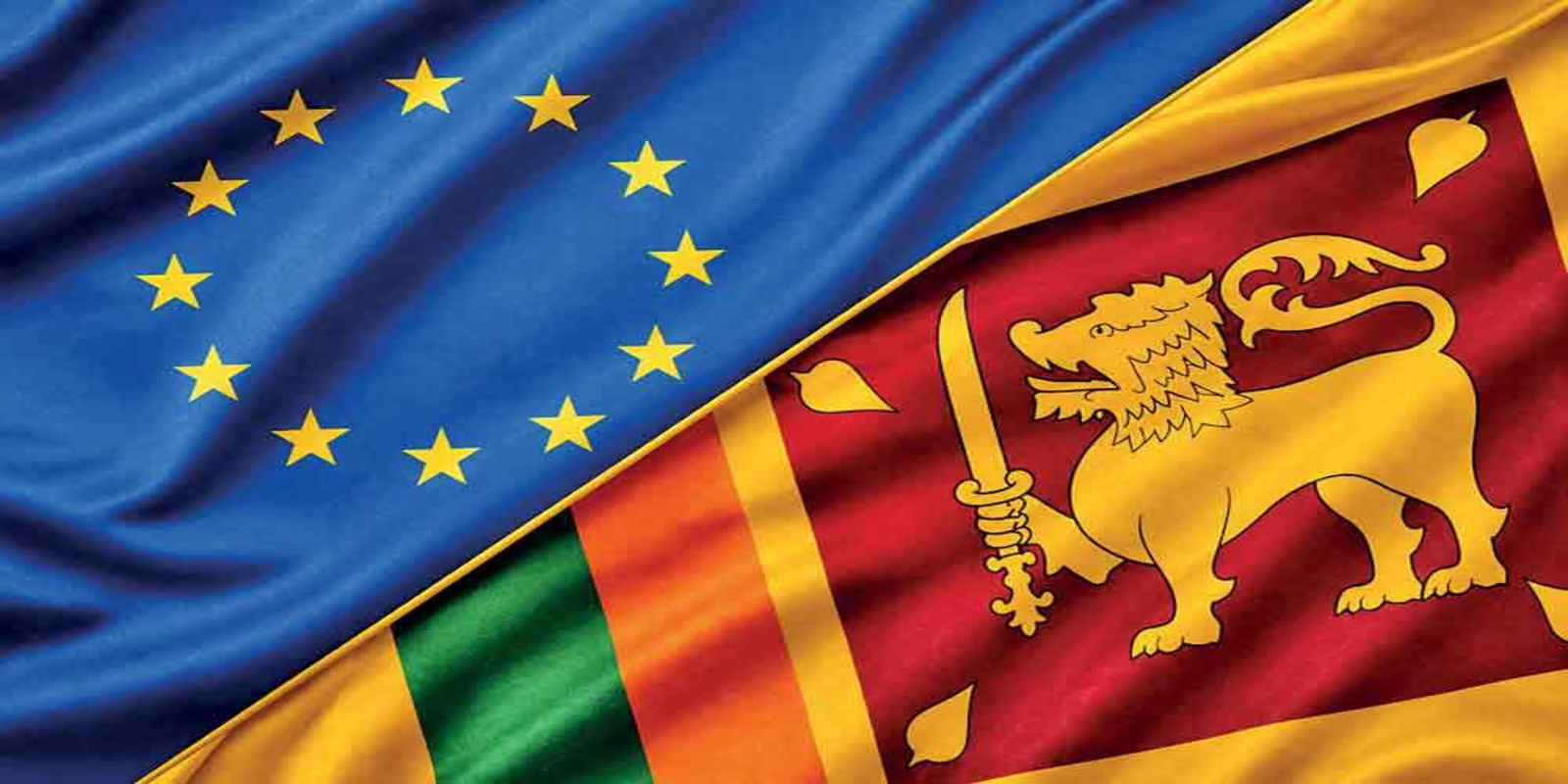
Sri Lanka and the European Union (EU) have placed the continuation of preferential market access under the GSP+ scheme at the centre of high-level economic talks, as the current EU trade preference framework reaches its end on December 31.
This was presented at the ministerial-level Sri Lanka-EU Investment Dialogue held in Colombo on July 31, alongside the discussions on policy consistency, investment approvals, investor protection and modernisation of customs and industrial zones.
While the existing GSP regulation expires at end-2026, the EU has already adopted a replacement framework that will take effect on January 01, 2027 and run for 10 years.
Under the transitional provisions in the new regulation, the countries holding the GSP+ status on December 31, 2026, will continue to be treated as beneficiaries until December 31, 2028. Those seeking to retain the concession beyond that date must submit a fresh request, under the revised eligibility framework.
This gives Sri Lanka a two-year transition period rather than an immediate loss of tariff preferences at end-2026. However, continued access beyond 2028 will depend on the country meeting the requirements of the new scheme and successfully completing the EU’s assessment process.
The new GSP framework expands the number of international conventions covered by the scheme from 27 to 32, spanning human and labour rights, environmental and climate protection and good governance. The applicants will also be required to submit an implementation action plan and cooperate with the EU’s monitoring process.
The EU’s GSP+ facility removes duties on 66 percent of tariff lines, covering products including textiles and fisheries. Sri Lanka regained access to the scheme in May 2017.
The concession is economically significant for Sri Lanka, with the EU remaining one of its largest export destinations and textiles, accounting for more than half of the bloc’s imports from the country.
According to the European Commission, the EU was Sri Lanka’s second-largest goods trading partner in 2025, accounting for 12.5 percent of the country’s total trade in goods.
The two-way goods trade reached €3.9 billion last year, with the EU recording a trade deficit of €1.9 billion. The trade in services amounted to €1.9 billion in 2024.
Sri Lanka is the third-largest beneficiary of the EU’s GSP+ arrangement. In 2024, 59 percent of Sri Lankan exports eligible for tariff reductions entered the EU market at preferential rates, the EU data showed.
Against this backdrop, the Colombo dialogue examined Sri Lanka’s broader approach to foreign investment and the regulatory reforms required to translate its investment strategy into implementation.
The talks followed the presentation of an independent Investment Climate Assessment and addressed investment facilitation and policy consistency, two areas closely watched by the foreign investors, as Sri Lanka continues its post-crisis recovery under an International Monetary Fund-supported reform programme.
The government outlined the measures including a digital Single Window Investment Approval System and proposed Investment Protection Bill. The customs reform and industrial-zone modernisation were also discussed as part of the efforts to reduce the delays and improve the operating environment for the investors.
The two sides also explored investment opportunities under the EU’s Global Gateway strategy, although no specific projects or financing commitments were announced following the meeting.
The dialogue brought together the Board of Investment chairman, deputy ministers representing finance, foreign affairs, industries and other relevant ministries and senior officials from the Presidential Secretariat and state institutions.
The European delegation included the EU ambassador to Sri Lanka and the Maldives, ambassadors of France, Germany, Italy and the Netherlands and representatives of other EU member-state missions.
The Sri Lanka-EU Investor Dialogue was established in 2014, to provide a structured channel for the government and European diplomatic missions to discuss investor concerns and policy developments.
The EU’s new GSP regulation, published in June, will apply from January 01, 2027 to December 31, 2036. Under its transitional clause, the existing GSP+ beneficiaries that submit fresh requests will retain their preferences while the European Commission assesses their applications.

ஒத்தவை:
சென்ற வாரம் இலங்கை-சண்டே ரைம்ஸ்