Sri Lanka’s World Bank upgrade
A milestone but not the finish line
July 5, 2026 By Rathindra Kuruwita Sunday Observer LK
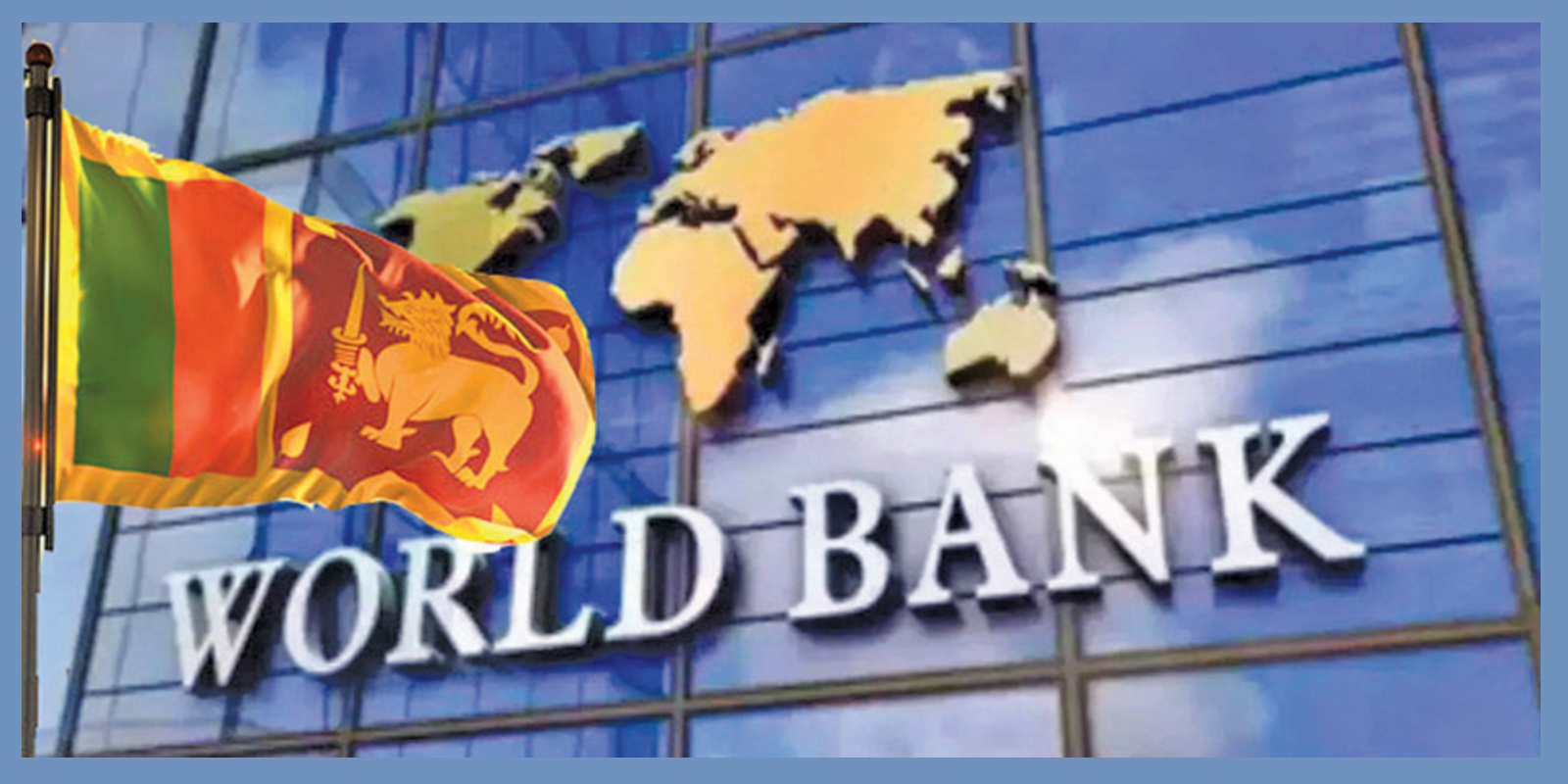
Sri Lanka has returned to the World Bank’s Upper-Middle-Income category, an international acknowledgement that the country has moved some distance away from the economic collapse of 2022.
The World Bank described Sri Lanka’s case as a story of recovery, saying that the real Gross Domestic Product (GDP) grew by 5 percent in 2025, supported by a rebound across industries and growth in financial and tourism services.
However, economists said that the economy is still fragile and that the National People’s Power (NPP) Government must continue its drive towards industrialisation and agricultural modernisation while enhancing State capacity.
Ceaseless vigilance needed
Sri Lanka has been an upper-middle-income country before. It first reached Upper-Middle-Income status on the basis of 2018 data, with the World Bank publishing the classification in July 2019. But this came at a time when deeper weaknesses were already visible. A 2018 World Bank development update, titled More and Better Jobs for an Upper Middle-Income Country, stated that Sri Lanka needed stronger private investment, an export-led growth model, better jobs, higher productivity and deeper reforms to sustain progress. The country needed structural change to make the achievement durable.
Instead of structural changes aimed at continued growth, the disastrous economic policies of the Gotabaya Rajapaksa Government contracted the economy sharply, drove inflation to 70 percent, collapsed the reserves and the State lost access to international capital markets.
The latest upgrade signals that policies of the Government have produced results. Economics don and Director of the Postgraduate Institute of Humanities and Social Sciences (PGIHS) at the University of Peradeniya, Prof. Wasantha Athukorala said the improvement reflected the fiscal discipline of the Government. The stricter management of tax revenue, tighter control of Government spending and close supervision of the economy all contributed to the country’s return to Upper-Middle-Income status.
The Central Bank too played a decisive role by maintaining strict oversight of monetary policy, he said. The combination of fiscal discipline and monetary restraint helped restore stability after a period when the State could neither finance itself easily nor maintain public confidence in the currency, Athukorala said.
Sri Lanka could not have recovered without restoring basic macroeconomic order, i.e., improving revenue collection, bringing public spending under control, keeping inflation at desired levels and rebuilding the external buffers. Therefore, the upgrade is evidence that the economy has turned a corner, strengthens the case for investment, improves the country’s image among international partners and supports the argument that Sri Lanka is again a country where long-term decisions can be made with more predictability.
Perception matters
Perception matters for a country that suffered a sovereign default only a few years ago. Internal and external stakeholders such as investors, lenders and development partners watch classifications, credit ratings, reserves, debt negotiations and policy consistency. The Upper-Middle-Income label alone will not bring investment, but it can help improve sentiment when combined with credible policy.
Economist Umesh Moramudali said the classification sends a positive signal to investors. Given that the upgrade suggests that the economy is growing, it is useful if Sri Lanka decides to return to international bonds by reducing the risk premium demanded by investors.
Sri Lanka is expected, under the broad assumptions of the IMF-supported program, to consider a return to International Sovereign Bond (ISB) markets in the coming years. Moramudali said while a positive international signal can help, the Government must have a clear borrowing strategy.
Moving up the income classification can also mean gradually losing access to concessional financing. Sri Lanka has benefited from low-interest loans from institutions such as the International Development Association (IDA). As the country becomes a higher income country, such access can decline over time, pushing the country towards market borrowing.
Concessional loans come with lower interest rates and longer repayment periods. International sovereign bonds are more expensive, short term and more sensitive to market confidence. An Upper Middle Income classification can help Sri Lanka borrow at a lower cost, but market borrowing remains costlier and riskier than concessional finance.
A positive sign
That does not make the upgrade meaningless. The Opposition is likely to argue that the people do not feel the Upper-Middle-Income in their daily lives. The Government itself agrees that the cost of food, transport, education, health care and debt repayments still weigh heavily on families
The Government’s task now is to convert stabilisation into better living conditions. The country has moved from collapse to recovery but it has not yet achieved shared prosperity.
Sri Lanka’s structural weaknesses remain despite efforts of the Government. Exports are still too low as a share of GDP, Foreign Direct Investment (FDI) remains weak and the external situation remains volatile. The revenue gains have improved the fiscal position, and the Government must sustain it without overburdening the same taxpayers. The tax net must widen, administration must improve and growth must generate more revenue naturally.
A boost in State capacity is needed to widen the tax net, improve the general administration of the State and to generate more organic growth. Governance may have taken the country to the upper-middle-income category again, but many public institutions are still abysmally weak, inefficient and corrupt. A more complex economy requires stronger institutions, better regulation, and officials capable of dealing with global investors, lenders and trade partners.
The Government can use the moment to attract investment, promote exports, deepen tourism, expand the digital economy, and improve confidence. It can also use it to convince people why reforms must continue and as proof that discipline has worked. Taxes, subsidy reforms and reduced public spending has stabilised the economy, but they have also placed a heavy burden on households. The Government now has to protect the hardest hit by this burden through targeted relief, stronger social protection, continued investment in health and real attention to regional development. The recovery will be politically secure only when people begin to see it in their wages, jobs, public services and daily cost of living.
Sri Lanka’s return to Upper-Middle-Income status is a recovery milestone but the lesson from 2019 shows us that staying there, and moving beyond it, requires the Government to manage the economy with ceaseless vigilance.

ஒத்தவை:
சென்ற வாரம் இலங்கை-சண்டே ரைம்ஸ்